South Africa Travel Guide 2026: Best Places, Tips, and Costs
 Marvanton
If you’re researching a long-haul destination that feels like several countries in one, this South Africa travel guide will help you plan with confidence. South Africa combines iconic cities (Cape Town, Johannesburg, Durban), world-class wildlife (including the Big Five), dramatic coastlines, mountain hikes, winelands, and deep modern history tied to Apartheid and leaders like Nelson Mandela.
Below you’ll find the key facts most travelers want first, then a region-by-region breakdown, top experiences, realistic costs, safety and health planning, and copy-and-paste itineraries for 7 days through 3 weeks.
All South Africa Tours & Excursions in 2026
Key facts travelers and newcomers usually want first
What is South Africa? South Africa is a country at the southern tip of the African continent, known for its cultural diversity, varied landscapes, and major wildlife tourism. It’s also a modern, globally connected economy with major airports, strong tourism infrastructure, and a wide range of travel styles—from backpacker road trips to ultra-luxury private lodges.
How does South Africa work? South Africa is a constitutional democracy with a three-tier system of government (national, provincial, local) and an independent judiciary. Parliament is bicameral, made up of the National Assembly and the National Council of Provinces. For a plain-English overview, see the South African Government portal: Government systems (gov.za) and How Parliament is structured.
Provinces and major hubs: South Africa has nine provinces (including Western Cape, Gauteng, and KwaZulu-Natal). A quick official reference is here: South Africa’s provinces (gov.za).
Population (context for scale): South Africa’s population is commonly estimated in the mid-60 millions (depending on the dataset and year). One UN-based projection summary is compiled here: UN WPP-based population projections (StatisticsTimes).
Currency: The currency is the South African Rand (ZAR). You’ll see it written as “R” (for example, R250). If you need a quick reference on the rand’s code and background: South African rand (ZAR).
Languages: South Africa is famously multilingual. English is widely used in tourism and business, but you’ll also hear Afrikaans and many Bantu languages (including isiZulu and isiXhosa). South African Sign Language is recognized as an official language as well; see an overview here: Languages of South Africa.
Tourism momentum (recent data point): South Africa has been reporting strong post-pandemic tourism recovery. The South African Government cited 8.92 million total arrivals in 2024 (up 5.1% vs 2023): Tourism growth figures (gov.za). It also reported continued growth through 2025 in subsequent releases: Record high arrivals (Oct 2025).
Electricity / load shedding planning note: Power interruptions have historically affected daily life and travel logistics. Eskom’s official updates have also highlighted periods of improved stability and outlook projections; if you work remotely or want to plan around backup power, it’s worth checking their current communications: Eskom system update.
South Africa’s regions, cities, and what each is best for
South Africa rewards travelers who match destinations to priorities. In practice, most first-time trips combine Cape Town + a scenic drive + a safari. Then, if you have time, you add a second city (Johannesburg or Durban) or a slower coastal stretch.
Cape Town and the Western Cape, scenery, food, and coastal drives
Cape Town is often the “wow” moment—mountains dropping into the sea, vibrant neighborhoods, and a food scene that competes with much bigger cities. The city is anchored by Table Mountain, a flat-topped landmark above the skyline (commonly listed at about 1,084–1,085 m elevation): Table Mountain reference.
In the Western Cape, the travel style is flexible. You can do budget guesthouses and day hikes, or five-star hotels and curated wine tastings in Stellenbosch and Franschhoek. Additionally, this region is ideal for coastal drives: Chapman’s Peak, Cape Point routes, and longer loops toward Hermanus (whales in season) or the Garden Route.
- Best for: first-timers, foodies, photographers, couples, short trips that still feel “big”
- Don’t miss: sunset viewpoints, Cape Winelands, penguins near Simon’s Town, day trips to Cape Peninsula
- Planning tip: If you want to hike Table Mountain, start early and check weather/wind; conditions change quickly.
If you’re interested in the country’s modern history, Cape Town is also a gateway to Robben Island, where Nelson Mandela was imprisoned for many years during Apartheid. Tickets can sell out, so book ahead using official channels where possible; practical visitor info is summarized here: Robben Island visitor guide.
Johannesburg and Gauteng, business, nightlife, and city living
Johannesburg (often called Joburg or Jozi) is the country’s most influential urban economy hub and a key entry point via OR Tambo International Airport. It’s fast-paced, creative, and layered—excellent restaurants, strong nightlife pockets, and some of the most important museums for understanding Apartheid and the transition to democracy.
Johannesburg sits in Gauteng, South Africa’s smallest but highly urbanized province. Pretoria (Tshwane), the administrative capital area, is also in Gauteng and is often visited for its government landmarks and quieter city feel. The South African Government’s overview of provinces offers helpful context: South Africa’s provinces (gov.za).
- Best for: history-focused travelers, culture and design lovers, business travel, nightlife
- Top experiences: Apartheid-era museums, guided township visits with reputable operators, street art and food districts
- Practical note: Plan transport intentionally (rideshare, trusted drivers, or guided tours), especially at night.
Durban and KwaZulu-Natal, beaches, culture, and warmer weather
Durban is your warm-weather option with a strong beach culture and a distinct identity shaped by Zulu heritage and a large Indian South African community—meaning standout spice-forward food and unique cultural festivals. For travelers who prefer subtropical humidity, swimming-friendly temperatures, and a more laid-back coastal rhythm, Durban and the surrounding KwaZulu-Natal (KZN) coastline can be a great fit.
KZN can also be a bridge between beach time and nature time. You can pair Durban with the Drakensberg mountains (for hiking and views) or route north toward wildlife areas and wetland parks depending on your itinerary.
- Best for: beach-first travelers, families who want warm water, culture-and-food travelers
- Good to know: Durban is often cheaper than Cape Town for beachfront stays, but choose neighborhoods carefully.
Garden Route, Kruger, and beyond, small towns, safaris, and nature
Outside the big cities, South Africa shines through road trips and nature. Two classic anchors are the Garden Route (a coastal drive of beaches, forests, lagoons, and small towns) and Kruger National Park (one of Africa’s most famous safari destinations).
Garden Route: Think short hikes, viewpoints, adventure activities, and easy-going towns where you can slow down. It’s excellent for self-driving and works well for couples and families.
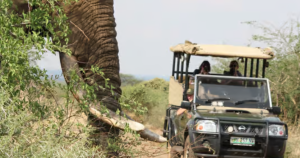
Kruger National Park: Kruger is one of the most accessible “serious safari” options: you can self-drive in many areas, book SANParks camps, or combine Kruger with adjoining private reserves for more guided tracking and fewer vehicles. SANParks highlights the Big Five as buffalo, elephant, leopard, lion, and rhino: SANParks: 5 things to seek (Big Five).
- Best for: wildlife lovers, photographers, road trippers, travelers who want variety beyond cities
- Planning tip: Kruger availability can sell out in peak seasons; book camps/lodges earlier than you think.
What to do in South Africa, experiences people come for
South Africa is a destination where you can build a trip around a single obsession (wildlife, food, hikes) or mix everything into one itinerary. The key is to avoid overpacking distances—because the country is big, and “quick hops” can become long travel days.
Wildlife and safaris, Kruger, private reserves, and ethical pointers
Safari is one of the top reasons people choose South Africa. Kruger is the flagship, with a huge protected area and strong infrastructure. You can do it in multiple ways:
- Budget safari: Self-drive + SANParks rest camps (more affordable, more independent)
- Mid-range: Guided drives while staying just outside gates, or inside camps with added activities
- High-end: Private reserves near Kruger with expert rangers, trackers, and luxury lodges
Ethical pointers (simple, practical):
- Prioritize wild experiences over captive interactions; be cautious with “walk with lions,” cub petting, or guaranteed encounters.
- Choose operators that follow reserve rules: respectful distances, no baiting, and limited vehicle numbers at sightings.
- If you’re unsure, ask direct questions: “Is this animal free-ranging?” “Do you allow feeding?” “What is your policy on off-road driving?”
Health note tied to safari: Some safari areas are malaria risk zones, including parts of Kruger with seasonal transmission. The US CDC notes Kruger National Park is considered endemic for malaria, and provides prevention guidance: CDC Yellow Book: South Africa. Talk to a clinician about personal risk and the right prevention plan for your route and season.
Food and drink, braais, wine country, and local favorites
South Africa’s food scene is a genuine highlight, especially in Cape Town and the Winelands. Expect everything from casual markets to fine dining, often at prices that feel like strong value compared with the US or Western Europe.
What to try: A braai (South African barbecue tradition), Cape Malay-influenced flavors in the Western Cape, biltong (dried cured meat), and regional seafood along the coasts. In wine country, tastings and food pairings can be a full-day experience without needing a huge budget.
- Practical example: Build a “food day” in Cape Town: coffee + market breakfast, a scenic lunch in Constantia, then a sunset dinner on the waterfront.
- Smart tip: If you’re driving, decide in advance who won’t drink at tastings—roads can be narrow and enforcement exists.
Outdoor adventures, hiking, surfing, diving, and road trips
If you like active travel, South Africa is easy to love. You can hike mountains, surf consistent breaks, dive (depending on region and season), and road-trip through landscapes that change quickly—from green coastline to semi-desert.
- Hiking: Table Mountain routes, coastal trails, forest walks on the Garden Route
- Surfing: Multiple coastal regions offer options for different skill levels
- Road trips: Cape Peninsula loop, Winelands circuits, Garden Route, or a longer cross-country journey
Actionable safety note: For hikes, avoid going alone on unfamiliar routes, don’t flash valuables, and start early to avoid getting caught in bad weather or finishing after dark.
Arts, music, and heritage, museums, townships, and festivals
South Africa’s heritage tourism is powerful because it is living history, not just “museum history.” Learning about Apartheid and the democratic transition adds depth to every city visit, especially Johannesburg and Cape Town.
In Cape Town, a visit to Robben Island can be one of the most meaningful experiences of the trip (plan ahead for tickets and sea conditions): Robben Island visitor info.
In Johannesburg, consider guided experiences that put context first (history, food, art) rather than “poverty tourism.” The best operators are community-connected, transparent about where money goes, and clear about respectful photography rules.
Value for money compared with other long haul destinations
Is South Africa worth it? For many travelers, yes—because you can combine a major city, iconic scenery, beaches, and a bucket-list safari in one trip. Compared with other long-haul destinations that offer similar variety (for example, pairing New Zealand-level landscapes with an East Africa-style safari), South Africa can deliver excellent value—especially for mid-range travelers who plan well.
The biggest cost swings come from flights and safari lodge pricing. If you keep safari to a few nights and use a mix of guesthouses and hotels, the overall trip can be surprisingly manageable.
Diversity of landscapes, from mountains to deserts to coast
One reason South Africa feels “bigger than it looks on a map” is the landscape variety. You can go from mountains above Cape Town to rugged coastline, then into bushveld safari country, and on to wide-open semi-arid regions depending on your route.
How to use this for planning: Avoid trying to sample every landscape on your first visit. Instead, pick two “anchors” (for example, Cape Town + safari) and add one “connector” (Garden Route, Winelands, or Durban/KZN).
Friendly social culture and standout hospitality
Travelers often comment on how social and welcoming South Africa can feel, especially in smaller towns, guesthouses, and guided experiences. Hospitality is a major strength in the tourism economy, and it shows in how many trips become conversation-driven—recommendations from a host, a shared table at a market, or a guide explaining local context beyond the itinerary.
Practical takeaway: Build in unscheduled time. South Africa is a place where your best day might come from a local tip you didn’t have on your spreadsheet.
Is South Africa worth it, and who it’s best for
South Africa is worth it if you want variety and you’re comfortable planning with a bit more intention than you might for, say, a small European country. You’ll get the most out of it if you choose destinations based on your travel style and keep transit days realistic.
Best fit travelers, families, couples, solo travelers, and digital nomads
- Families: Great if you pick family-friendly neighborhoods, plan driving times conservatively, and choose safari options that suit kids (some lodges have age minimums).
- Couples: Excellent for a “two-mode” trip: Cape Town + Winelands romance, then safari.
- Solo travelers: Very doable with smart transport choices (tours, reputable shuttles, rideshare where appropriate) and accommodation in well-reviewed areas.
- Digital nomads: Strong fit in Cape Town and some coastal towns—just plan for connectivity, backup power solutions, and neighborhoods with reliable infrastructure. Track current electricity updates via Eskom communications: Eskom system update.
Who may not love it: Travelers who want zero logistics, or who feel uncomfortable with the reality that some areas require heightened personal safety habits. South Africa is not “unsafe everywhere,” but it is a country where your choices—routes, timing, transport—matter.
Safety, health, and practical planning for a smoother trip
This is the section that makes a good trip feel easy. South Africa rewards travelers who plan the basics: transport, neighborhood choices, health prep (especially for safari routes), and document backups.
Personal safety basics, common risks and smart habits
Most visitors have a great trip, but it’s important to plan for common urban travel risks like pickpocketing, bag snatching, opportunistic theft, and occasional scams. The goal isn’t fear—it’s friction reduction.
- Use intentional transport: Rideshare, reputable drivers, or guided tours—especially at night.
- Keep valuables low-profile: Avoid flashing expensive jewelry/cameras in busy areas.
- Don’t leave items in cars: Even “just for a minute.” Car break-ins are a known issue in many tourist cities worldwide, including parts of South Africa.
- Ask locals where not to walk: Hotel staff and hosts usually give very practical guidance by neighborhood and time of day.
Actionable example: If you’re in Cape Town, you might use rideshare to get between dinner and your hotel at night, but feel comfortable walking short distances in busy, well-trafficked areas during the day. In Johannesburg, you’ll likely rely more on rideshare/driver point-to-point rather than casual strolling between districts.
Health prep, vaccines, malaria areas, and travel insurance
Health prep depends on where you go. City-only trips look different from safari-heavy itineraries.
Malaria: If your trip includes Kruger National Park or nearby lowveld regions, plan malaria prevention. The CDC Yellow Book notes malaria risk in Kruger with seasonal patterns and outlines bite avoidance and chemoprophylaxis considerations: CDC Yellow Book: South Africa.
- What to do: Ask a travel clinician about prophylaxis options, pack insect repellent, and use long sleeves at dusk/dawn in risk areas.
- Insurance: Get travel insurance that covers medical care and medical evacuation, especially if you’ll be in remote safari regions.
Routine vaccines: Make sure routine immunizations are up to date. Your clinician may advise additional vaccines based on your full itinerary, season, and activities.
Entry requirements, visas, passport rules, and customs
Entry rules depend on passport and trip purpose. For many visitors, short tourism stays are straightforward, but you should still confirm the current rules close to departure because policies can change.
US citizens (common scenario): South African Embassy/consular resources commonly state that US passport holders visiting for 90 days or less for tourism/business generally do not need a visa, provided entry conditions are met. See: South African tourist visa info (US-focused consular resource) and the embassy’s visitor visa guidance: Port of Entry visa guidance.
- Plan for: Proof of onward travel, accommodation details, and sufficient funds (requirements can be asked at the border).
- If you’ll work, study, volunteer, or stay longer: Apply for the appropriate visa type well in advance.
Important: Always verify requirements using official South African government/embassy sources for your nationality and scenario before you book nonrefundable travel.
Money and documents, SIM cards, banking, and what to pack
Money: Credit cards are widely accepted in cities and tourist areas, but cash is still useful for tips, small purchases, and roadside stops. Keep a second card separate and know your bank’s international support number.
VAT (sales tax) awareness: South Africa’s VAT policy has been debated and updated in recent years. SARS guidance documents have referenced planned rate changes (including references to increases to 15.5% and 16% in certain publications): SARS VAT FAQs. However, because VAT policy has also been subject to legal/political challenge and reporting of suspensions, treat VAT details as “check close to travel,” especially if you’re budgeting a longer stay or major purchases.
SIM cards / eSIM: In big cities, connectivity is usually easy. If you’re a digital nomad or you’ll drive remote areas, plan redundancy: one primary SIM/eSIM plus offline maps.
Documents: Keep digital copies of passport, insurance, and bookings stored securely (and accessible offline). Print a simple one-page summary for border checks and emergencies.
What to pack (practical, not excessive):
- Layers: Coastal weather can change fast (especially Cape Town).
- Comfortable walking shoes: Cities + hikes add up quickly.
- Safari basics: Neutral clothing, hat, sunglasses, small daypack, binoculars if you love wildlife.
- Adapters and backup power: Helpful for remote work and road trips.
How to choose South Africa, and plan a trip that fits you
How to choose South Africa? Choose it if you want maximum variety in a single trip: major city energy, world-class scenery, and genuine wildlife encounters. Then plan around your top two priorities so you don’t spend the whole vacation in transit.
Pick your priorities, safari, city, beach, food, or road trip
Start with one sentence: “This trip is mostly about ______.” Then add one supporting theme.
- Safari-first: Fly into Johannesburg, go straight to Kruger/private reserve, then add Cape Town at the end.
- Cape Town-first: Start in Cape Town + Winelands, then add Garden Route, then finish with safari.
- Beach-first: Consider Durban/KwaZulu-Natal plus a nature extension.
- History-and-culture-first: Johannesburg + Pretoria + Cape Town (Robben Island), with a shorter safari add-on.
Practical example: If you only have 8–10 days, don’t try to do Cape Town + Garden Route + Durban + Kruger. You’ll spend too much time moving. Pick one coast plus one inland highlight.
Build the right itinerary length, one week to three weeks and beyond
One week: Best for Cape Town + a nearby add-on (Winelands or whale coast). You can squeeze in a “quick safari,” but it will feel rushed.
10–14 days: The classic sweet spot: Cape Town + Garden Route + a safari (Kruger or a private reserve).
2–3 weeks: Ideal if you want multiple regions without exhaustion—add Johannesburg for history, Durban/KZN for warm coast, or extra nature time.
Choose where to stay, hotels, guesthouses, lodges, and neighborhoods
Accommodation is where South Africa’s value can really show up—especially with guesthouses and boutique hotels that offer high comfort for mid-range budgets.
- Cities: Choose well-reviewed neighborhoods and prioritize secure buildings and parking if self-driving.
- Garden Route towns: Guesthouses often provide excellent local tips and easier logistics than big resorts.
- Safari: Decide between SANParks camps (more DIY) and lodges (more guided, more inclusive pricing).
Cost clarity tip: Safari lodges may look expensive per night, but many are priced “fully inclusive” (meals + drives). Always check what’s included before you compare.
Decide how to travel, self drive vs tours vs mix and match
Self-drive is one of the best ways to experience South Africa—especially the Western Cape and Garden Route. It gives you freedom, scenery stops, and budget control.
Tours are valuable in cities for historical context and in safari regions for wildlife tracking and safety. Many travelers do best with a mix:
- Self-drive: Cape Town day trips, Winelands, Garden Route
- Guided: Johannesburg heritage sites, Kruger game drives (or private reserve package)
Actionable planning: If you’re nervous about driving, start with short day trips from Cape Town before committing to a longer road trip. Confidence builds quickly.
Sample itineraries for South Africa that you can copy
These itineraries assume typical first-time priorities. Adjust by season, flight routing, and your pace. If you can, avoid changing hotels every single night—South Africa is more enjoyable with a few 2–4 night bases.
7 day highlights, Cape Town plus a quick winelands or whale coast add on
- Day 1: Arrive Cape Town, easy waterfront dinner, early night.
- Day 2: Table Mountain (cableway or hike), city neighborhoods, sunset viewpoint.
- Day 3: Cape Peninsula drive (Chapman’s Peak, Cape Point, penguins near Simon’s Town).
- Day 4: Winelands day trip (Stellenbosch/Franschhoek) or Constantia for a shorter option.
- Day 5: Robben Island (book ahead) + museum time for historical context. Visitor overview: Robben Island info.
- Day 6: Choose your add-on: Hermanus/whale coast (in season) or a relaxed beach day.
- Day 7: Brunch, last-minute shopping, fly out.
Estimated daily budget (excluding flights):
- Budget: $60–$120 per person/day
- Mid-range: $150–$300 per person/day
- Comfort/luxury: $350+ per person/day
Costs vary mainly by hotel choice and how many paid tours you add.
10 to 14 day classic, Cape Town, Garden Route, and a safari
- Days 1–4: Cape Town base (Table Mountain, peninsula, food, Robben Island).
- Days 5–8: Garden Route road trip (pick 2 bases rather than changing nightly).
- Days 9–12: Fly to Johannesburg, connect to Kruger (or nearby private reserve), 3–4 nights safari.
- Days 13–14: Johannesburg heritage day (museums, guided history), then depart.
Safari budgeting reality check: A Kruger safari can be done affordably (SANParks camps + self-drive), but guided lodge stays can raise costs fast. Decide what matters more: independence and price, or guided tracking and comfort.
Wildlife expectation setting: You are not guaranteed the Big Five in a short stay, but Kruger is one of the best places to try. SANParks’ overview of the Big Five is here: SANParks Big Five.
2 to 3 week deep dive, multiple regions with slower travel and rest days
- Days 1–5: Cape Town + Western Cape (include Winelands and a slower day).
- Days 6–10: Garden Route at a relaxed pace (add hikes, beach days, and downtime).
- Days 11–14: Fly to Durban + KwaZulu-Natal coast for warm weather and cultural food exploration.
- Days 15–19: Johannesburg + Pretoria (city culture, Apartheid history sites, top restaurants).
- Days 20–23: Kruger safari (4 nights is a strong sweet spot for sightings and rest).
Health and logistics note for longer trips: If you’re adding Kruger and other risk areas, read the CDC guidance and talk to a clinician about malaria prevention and general travel health planning: CDC Yellow Book: South Africa.
Conclusion
South Africa is one of the most rewarding “choose-your-own-adventure” destinations on the planet: mountains and coastlines in the Western Cape, big-city energy in Johannesburg and Pretoria, warm beaches and food culture in Durban and KwaZulu-Natal, and bucket-list wildlife in Kruger National Park.
The benefits of South Africa are clear: exceptional landscape diversity, strong hospitality, and the ability to combine urban culture with an iconic safari—often with better value than many comparable long-haul trips. Plan around your top priorities, book key items early (especially safari and Robben Island), and use smart safety and health habits. Do that, and South Africa tends to deliver the kind of trip you’ll measure future vacations against.