South Africa is one of those places that can feel like three different countries in a single day.
Breakfast in a slick city cafe. Lunch on a gravel road watching dust hang in the air. Sunset with a glass of something cold while a mountain turns purple and the ocean starts doing that loud, endless breathing.
Most people do the same loop. Cape Town, Winelands, Kruger. Maybe the Garden Route if they have time. And look, that loop is popular for a reason. It’s incredible.
But if you’re planning South Africa in 2026 and you want the version that feels less packaged, less “bus schedule”, more wow I can’t believe I’m actually here. Then you need to push past the obvious pins on the map.
This guide is for that. The places that still feel a bit raw. The routes that don’t neatly fit into a 7 day itinerary template. The kind of days that start messy and end with a story.
Let’s get into it.
Check Flights to South AfricaBefore you go (2026 stuff that actually matters)
A few practical things upfront, because South Africa rewards people who show up prepared.
Load shedding is still part of the conversation. It changes over time, sometimes it’s barely noticeable, sometimes it’s not. Book places with backup power if you’re working remotely or you just don’t want your evening to turn into candle logistics. In cities, many cafes and restaurants have generators or inverters. Ask. It’s normal.
Driving is the cheat code. Public transport is limited outside major hubs. South Africa is a road trip country. If you’re comfortable driving, you’ll unlock 80 percent of the good stuff. If you’re not, build your trip around a couple of bases and do guided day trips from there.
Safety is real, but not mysterious. The basics go far.
- Don’t leave bags visible in the car. Not for two minutes.
- Don’t wander around at night in unfamiliar areas.
- Use ride hailing in cities, ask locals where to walk, and where not to.
- In remote areas, keep fuel topped up and download offline maps.
Seasons flip depending on where you are.
- Cape Town and the Western Cape are best in the dry summer months (roughly Nov to March) but they can be windy and crowded.
- The best safari viewing is usually in the dry winter months (roughly May to Sept) when vegetation is thinner and animals concentrate around water.
- The shoulder seasons are magic if you can swing it. Less crowding, better prices, more breathing room.
Alright.
The classic route is good. Just don’t let it be your whole trip.
If this is your first time, you probably will do Cape Town. And you should. It’s one of the most beautiful cities on Earth and I’m not being dramatic.
But the trick is this. Use the classics as anchor points, then peel off into the quieter edges.
Here’s where to go where tours don’t.
1) The Wild Coast (Transkei): South Africa with the volume turned down
If you want one place that still feels like a secret, it’s the Wild Coast. It’s green, rugged, and not polished. The roads can be slow. The villages feel lived in, not arranged for visitors. Cows casually own the landscape.
The headline stops people know are Coffee Bay and Hole in the Wall. And yes, they’re worth it. But the real Wild Coast experience is in the in between.
Don’t miss
- Port St Johns: river mouth, cliffs, thick vegetation. It has a slightly wild energy, in a good way.
- Ntafufu and Second Beach hikes around Coffee Bay: go early, take water, and just walk until your brain goes quiet.
- Mdumbi: surf vibe, river, backpacker energy but not chaotic. You can do nothing here and it will feel productive.
How to do it without stress
- Drive a higher clearance car if you can, especially after rain.
- Don’t plan tight. Distances look short on the map but time behaves differently here.
- Book 2 or 3 nights in one spot rather than trying to “see it all”.
This is not a place to collect attractions. It’s a place to slow down, then slow down again.
2) Cederberg: the desert mountains above Cape Town that nobody talks about
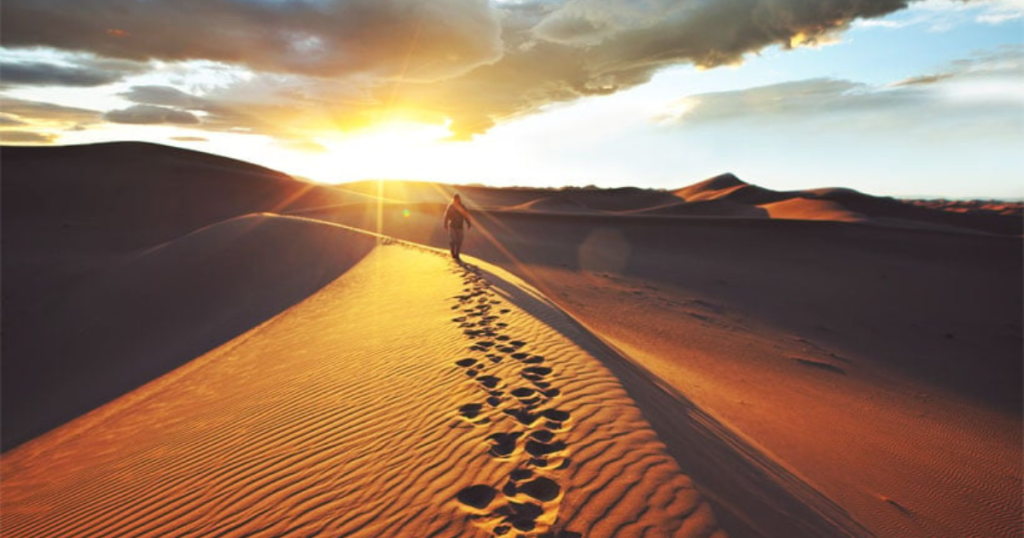
Two to three hours from Cape Town, the Cederberg feels like you crossed into another planet. Sandstone formations, open sky, quiet roads, and night stars that look fake.
It’s hiking country, climbing country, “sit outside and stare” country.
What to do
- Hike to Maltese Cross for a classic shape and an easy payoff.
- Explore rock art sites with a guide. It’s not just a tick box. You feel the time depth out here.
- Go in spring if you can, when wildflowers show up and the whole place gets soft around the edges.
Where to base Clanwilliam is the practical hub, but the better move is to stay on a farm or lodge deeper in. You want to wake up in the quiet, not drive into it.
If you want a South Africa trip that doesn’t feel like a checklist, spend a few days in the Cederberg. It resets you.
3) The Karoo, but not the obvious Karoo
The Karoo is big. Like, it messes with your sense of distance big.
Most people dip into the Klein Karoo via Oudtshoorn. That’s fine. But the deeper Karoo towns are where the mood really changes. Less tourist signage, more space, more of that slow afternoon light.
Towns worth building around
- Prince Albert: small, beautiful, a gateway to the Swartberg Pass.
- Nieu-Bethesda: tiny and artsy, home to the Owl House. Feels like a place you end up, not a place you pass through.
- Sutherland: cold nights, huge skies, starwatching. Bring warm layers. Seriously.
The drive you actually want
- Swartberg Pass between Prince Albert and Oudtshoorn. One of the great drives on the continent. Gravel, switchbacks, views that make you pull over without thinking.
The Karoo is not about doing more. It’s about letting the landscape do something to you.
4) KZN Midlands: quiet food, forests, and little stays that feel personal
KwaZulu-Natal gets marketed for the Drakensberg and the coast, which are both excellent. But the Midlands is the softer middle. Rolling green hills, farm stalls, craft stores, waterfalls, misty mornings.
It’s a good place to pause. Especially if your trip has been heavy on driving.
What to do
- Follow the Midlands Meander, but don’t try to do all of it. Pick a cluster.
- Stay somewhere with a fireplace, order something homemade, and just exist for a day.
- If you like hiking, go find a trail that ends at a waterfall and bring snacks.
It’s not flashy. That’s the point.
5) The Drakensberg (but choose the right section)
The Drakensberg can look like a wallpaper photo, then you get there and it looks even more unreal.
The key is choosing the right area for your vibe.
If you want iconic peaks and easier logistics
- Northern Drakensberg around Amphitheatre and Royal Natal. Big drama, big views.
If you want quieter hikes and fewer people
- Central Drakensberg around Champagne Valley is a nice balance.
If you want remote, rugged, and a little more effort
- Mnweni. Less developed, more wild. Go with a guide if you’re not experienced. The mountains don’t care about confidence.
Pack for every season in one day, because that happens.
6) Addo and the Eastern Cape: safari without the Kruger crowds
Kruger is legendary. It’s also busy, especially in peak months. If you want a safari experience that’s easier to pair with the coast and the Garden Route, the Eastern Cape is your friend.
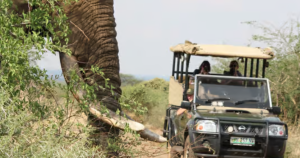
Addo Elephant National Park is the obvious anchor. It’s accessible, good roads, and elephants are basically guaranteed.
But don’t stop there.
Look at private reserves in the Eastern Cape if your budget allows. You get guides, tracking, sundowners, the whole thing. And often a calmer feel than some of the bigger safari circuits.
If you’re trying to design a trip that feels different, a few days in the Eastern Cape instead of the usual “fly to Kruger, fly back” can be a smart move.
7) The Garden Route, but take the inland roads and the smaller towns
The Garden Route is beautiful, yes. It also gets a bit theme park-ish in places if you stick to the main strip.
So here’s how to do it better.
- Spend less time in the most crowded nodes.
- Detour inland.
- Prioritize nature over “attractions”.
Stops that often surprise people
- Wilderness: lagoon, beach, slow mornings. It’s a good base.
- Nature’s Valley: small, lush, and calm. Great walks.
- Kareedouw and surrounds if you’re chasing forest and quiet.
And if you can, do at least one proper hike. Not a ten minute viewpoint stroll. A real one where you get sweaty and then eat something afterwards like you earned it.
8) The West Coast: wild flowers, empty beaches, and seafood shacks
The West Coast north of Cape Town has a different personality than the postcard Cape Peninsula stuff. It’s flatter, more open, with beaches that feel endless and towns that feel a little windswept.
Go in spring for wildflowers if that’s your thing, but even outside flower season, it’s worth it for the quiet and the seafood.
Good anchors
- Paternoster: whitewashed feel, good food.
- West Coast National Park: lagoon views, birds, easy day trip potential.
This is a great “recover from Cape Town” mini trip. Two nights. Breathe. Reset.
What to eat (and what to order without overthinking it)
South Africa is a food country. Like, you can accidentally eat well every day.
A few simple targets:
- Braai: if you get invited to one, go. It’s social glue.
- Biltong: try a few types, figure out your favorite.
- Bunny chow in Durban if you’re in KZN. Messy, delicious.
- Cape Malay curry in Cape Town.
- Fresh seafood on the coast. Keep it simple.
And wine, obviously. Even if you’re not a wine person, South African wine has a way of converting people. Stellenbosch is the big name, but don’t sleep on Franschhoek, Constantia, and smaller producers if you can find them.
Where to stay (small choices that change the whole trip)
If your goal is “go where tours don’t”, the accommodation matters as much as the destination.
A few tips that work:
- Choose guesthouses and farm stays over big chain hotels when possible. You get local knowledge. And breakfast that feels like someone’s aunt made it.
- In remote areas, pick places that are used to travelers. They’ll tell you road conditions, safe routes, where to stop.
- If you’re working while traveling, confirm Wi-Fi stability and backup power. Ask directly. Don’t assume.
Sometimes paying a bit more for a place that’s calm and well run ends up saving money, because you don’t scramble.
A realistic 12 to 16 day “go where tours don’t” route (stealable)
This is a sample shape that avoids feeling like a stamp-collecting mission.
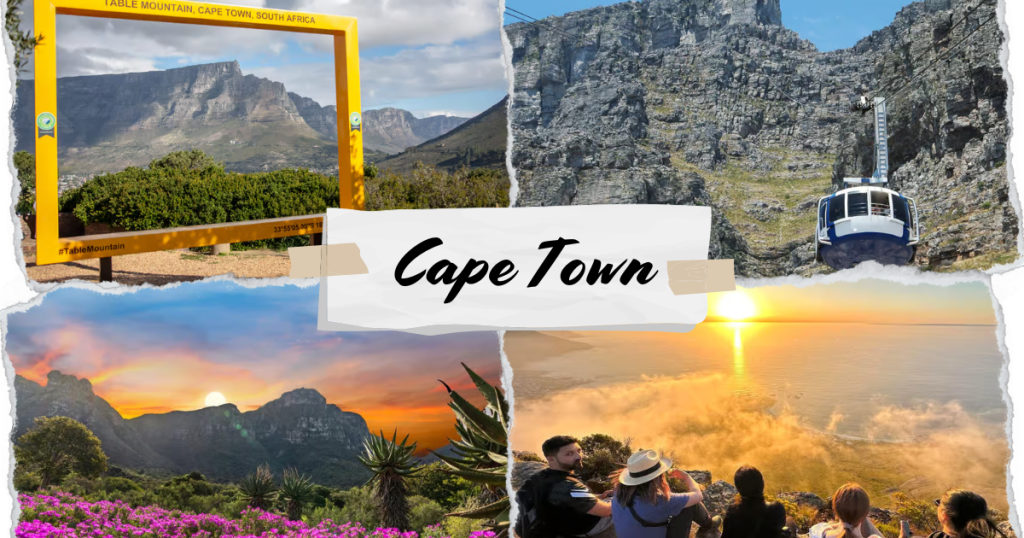
Days 1 to 4: Cape Town Do the essentials. Table Mountain, Cape Point, a beach day, one proper food night. Keep a little space in the schedule because Cape Town rewards wandering.
Days 5 to 7: Cederberg Drive up, stay somewhere quiet, hike, stargaze. Let your nervous system unclench.
Days 8 to 10: Karoo via Prince Albert Swartberg Pass, small town evenings, big skies. One long lunch that turns into a nap.
Days 11 to 13: Garden Route, but slower Base in Wilderness or Nature’s Valley. One hike, one lagoon day, one “do nothing but read” day.
Days 14 to 16: Addo and the Eastern Cape Self drive Addo, or do a private reserve if you want the guided experience. Then end in Gqeberha (Port Elizabeth) for an easy flight out.
You can flip this, extend it, swap in the Wild Coast if you’re up for longer drives and rougher roads. But the point is the same. Give each region enough time to actually land.
A few mistakes people make (so you don’t)
Trying to do Cape Town, Garden Route, and Kruger in 10 days. It’s possible, sure. It’s also exhausting. You’ll spend your trip in transit.
Underestimating drive times. South Africa is big, and some roads are slow. Build buffer. Stop for coffee. Don’t white knuckle it.
Staying in the “tourist strip” the entire time. In Cape Town that might mean only doing the V&A Waterfront zone. On the Garden Route it might mean only doing the busiest nodes. Step one or two streets away. The trip changes.
Not booking the key things early. In peak periods, the best small places fill up. So do popular park stays. If you’re traveling in December or during school holidays, plan ahead.
So, where should you actually go in 2026?
If you want the short answer, it’s this.
Do the famous things, yes. Cape Town is non negotiable. A safari is worth it. The scenery is ridiculous.
But if you want the South Africa you’ll think about months later, the one that feels like you found it yourself, then aim for at least two of these:
- Wild Coast for raw and real and slow.
- Cederberg for silence and stars.
- Deep Karoo for space and perspective.
- Drakensberg for mountains that feel mythic.
- Eastern Cape for safari with fewer crowds.
- West Coast for empty beaches and seafood.
That’s the trip. Not perfect, not polished. Just honest and a little unpredictable. The best kind.
FAQs (Frequently Asked Questions)
What should I know about load shedding when traveling to South Africa in 2026?
Load shedding is still part of the conversation in South Africa and can vary from barely noticeable to more impactful. It’s wise to book accommodations with backup power, especially if you’re working remotely or want to avoid evening disruptions. Many cafes and restaurants in cities have generators or inverters, so don’t hesitate to ask.
Is driving recommended for exploring South Africa beyond major cities?
Absolutely. Driving is considered the cheat code for unlocking 80% of South Africa’s best experiences since public transport is limited outside major hubs. If you’re comfortable behind the wheel, renting a car will give you access to more remote and authentic places. Otherwise, plan your trip around a few bases and opt for guided day trips.
How can I stay safe while traveling in South Africa?
Safety is real but manageable by following basic precautions: never leave bags visible inside your car even for a short time; avoid wandering at night in unfamiliar areas; use ride-hailing services in cities; ask locals about safe walking routes; keep your fuel topped up in remote areas and download offline maps for navigation.
When is the best time to visit different regions of South Africa?
Seasons vary by region: Cape Town and the Western Cape are best visited during their dry summer months (November to March), though it can be windy and crowded. Safari viewing is optimal in the dry winter months (May to September) when animals gather near water sources. Shoulder seasons offer fewer crowds, better prices, and a more relaxed experience.
What are some lesser-known destinations in South Africa worth visiting beyond the classic Cape Town-Winelands-Kruger loop?
To experience a less packaged and more authentic South Africa, consider exploring the Wild Coast (Transkei) with its rugged landscapes and villages like Port St Johns and Coffee Bay; the Cederberg mountains near Cape Town known for hiking, rock art, and starry skies; and the deeper Karoo towns such as Prince Albert and Nieu-Bethesda that offer space, slow afternoons, and unique local culture.
How should I approach planning a trip to the Wild Coast for an authentic experience?
The Wild Coast demands a slower pace: drive a higher clearance vehicle especially after rain; avoid tight itineraries since distances take longer than expected; book multiple nights in one spot rather than trying to see everything quickly. Focus on immersive experiences like hiking Ntafufu and Second Beach trails near Coffee Bay, enjoying the surf vibe at Mdumbi, and soaking up the wild energy of Port St Johns.
Explore More African Safari Destinations
🌍 Marvanton24 – Travel Hub.
Live prices for flights, hotels, cars & experiences — updated in real time.