If you’re searching for one of the most breathtaking, raw, and unforgettable travel destinations in Africa, Namibia delivers on every level.
From the towering red dunes of the Namib Desert to the wildlife-packed plains of Etosha National Park, Namibia is a country where nature dominates—and travelers get front-row seats.
This is not your typical safari destination. It’s quieter. Wilder. More cinematic.
Whether you’re planning a luxury safari, a self-drive road trip, or a bucket-list African adventure, this guide covers everything you need to know.
🌍 Why Namibia Should Be Your Next Destination
Namibia stands apart from other African destinations in a few key ways—and once you experience it, you’ll understand why travelers keep coming back.
First, there’s the scale. Namibia is vast and sparsely populated, meaning you can drive for hours without seeing another car. That sense of isolation is part of the magic.
Second, the landscapes are unlike anywhere else on Earth. The contrast between desert, ocean, and wildlife creates an almost surreal travel experience.
And third, it’s one of the best countries in Africa for self-drive travel, making it perfect for independent explorers.
What Makes Namibia Unique?
- One of the least densely populated countries in the world
- Home to the world’s oldest desert
- Exceptional road trip infrastructure
- High safety levels for travelers
- Diverse experiences: desert, safari, coast, culture
🏜️ Namibia’s Iconic Landscapes Explained
The Namib Desert – Earth’s Oldest Desert
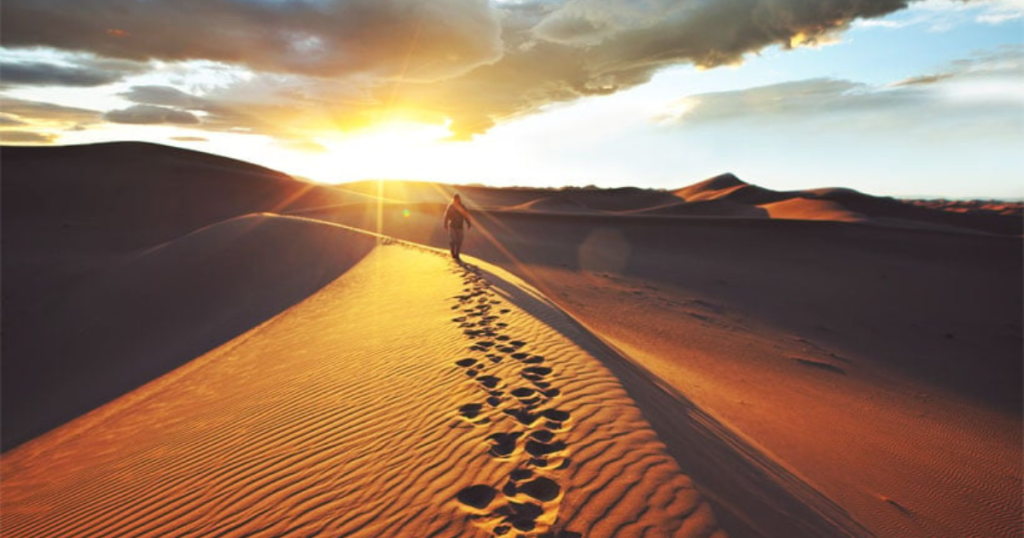
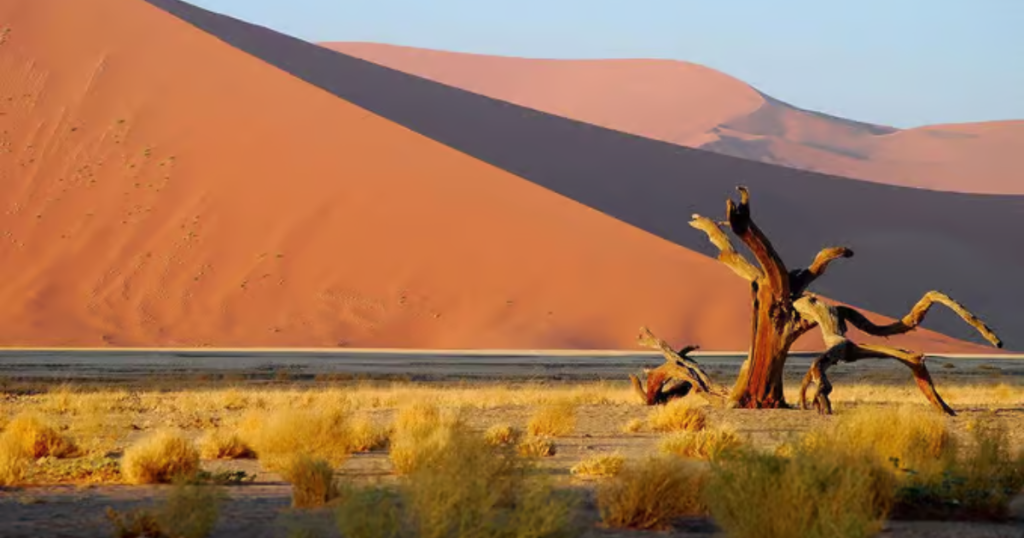
The Namib Desert stretches along Namibia’s coastline and is estimated to be over 55 million years old.
What makes it so special is not just its age, but its color and shape. The dunes here glow deep orange and red due to iron oxide, and they constantly shift with the wind.
This desert is home to some of the most photographed landscapes in the world.
Sossusvlei & Deadvlei – Namibia’s Crown Jewel
At the heart of the Namib Desert lies Sossusvlei—a destination that defines Namibia.
Nearby, Deadvlei offers one of the most surreal scenes on Earth: blackened, ancient trees standing frozen in time against a backdrop of bright white clay and towering dunes.
Climbing the dunes at sunrise is one of the most unforgettable experiences in Africa. The shadows, the silence, and the scale are something photos can’t fully capture.
The Skeleton Coast – Where Desert Meets Ocean
The Skeleton Coast is one of the most hauntingly beautiful places in the world.
Shipwrecks scatter the shoreline, fog rolls in from the Atlantic, and the environment feels almost otherworldly.
This region is remote and often visited via guided tours or scenic flights, but it’s absolutely worth it if you want something truly unique.
🦁 Wildlife & Safaris in Namibia
Etosha National Park – The Safari Powerhouse
Etosha National Park is one of Africa’s greatest safari destinations—and it’s very different from places like the Serengeti.
Instead of endless grasslands, Etosha is dominated by a massive salt pan. Around it, waterholes attract wildlife, making animal sightings incredibly reliable.
Animals You Can See
- Elephants
- Lions
- Leopards (rare but present)
- Rhinos (both black and white)
- Giraffes
- Zebras
- Hyenas
One of the best things about Etosha is that you can do self-drive safaris, stopping at waterholes and watching animals gather—sometimes for hours.
Damaraland – Desert Wildlife & Culture
Damaraland is a rugged, scenic region in north-central Namibia, famed for its dramatic, untamed landscapes, ancient rock art, and unique desert-adapted wildlife like elephants, rhinos, and lions. Situated between the Skeleton Coast and Etosha National Park
Damaraland is rugged, remote, and wildly beautiful.
It’s known for:
- Desert-adapted elephants
- Rare black rhinos
- Ancient rock engravings at Twyfelfontein
This region feels untouched and offers a deeper, more cultural side of Namibia.
🌊 Coastal Namibia – Adventure Meets the Atlantic
Swakopmund – Namibia’s Adventure Capital
Info: Swakopmund is a premier coastal resort town in western Namibia, known for its German colonial architecture, adventure activities, and unique position between the Atlantic Ocean and the Namib Desert.
Swakopmund is where adrenaline and relaxation collide.
You can go from sipping coffee in a German-style café to sandboarding down massive dunes within minutes.
Top Experiences in Swakopmund
- Quad biking in the desert
- Sandboarding
- Skydiving
- Dolphin cruises in Walvis Bay
- Scenic flights over the Skeleton Coast
It’s also a great place to recharge during a road trip.
🏙️ Windhoek – Namibia’s Gateway
Windhoek is often overlooked, but it’s worth at least a day.
Windhoek, the capital of Namibia, is a small but vibrant city situated in a high-altitude basin 1,700 meters above sea level. It serves as the primary gateway for travelers exploring the country’s vast landscapes, such as the Namib Desert or Etosha National Park.
Landscape and Atmosphere
The city is surrounded by the Khomas Hochland, Eros, and Auas mountain ranges, which give it a unique, airy feel. You’ll find a blend of modern African urban energy and historical European influences. The streets are notably clean and organized, with a mix of contemporary glass high-rises and German colonial-era architecture.
Key Highlights & Culture
- Christuskirche (Christ Church): Perhaps the city’s most iconic landmark, this neo-Gothic Lutheran church is made of local sandstone and stands at the heart of the city.
- Independence Memorial Museum: This striking modern building offers a detailed look at Namibia’s struggle for freedom and provides panoramic views of the city from its upper floors.
- Katutura: To experience a different side of the city, many visit the suburb of Katutura. The name translates to “the place where people do not want to live,” reflecting its history during the apartheid era. Today, it is a bustling area where you can visit the Single Quarters market to try kapana (traditional grilled beef).
- Joe’s Beerhouse: A local institution known for its eclectic decor and menu featuring game meats like oryx, kudu, and zebra.
Nature Close to the City
While Windhoek is an urban center, nature is never far away:
- Daan Viljoen Game Reserve: Located just 20km outside the city, it’s a great spot for a quick self-drive safari or a hike to see giraffes, zebras, and various antelope species.
- National Botanic Garden: A quiet space in the center of town that showcases Namibia’s indigenous flora, including unique succulents and desert-adapted plants.
Climate and When to Go
The high altitude keeps the climate relatively mild.
- Winter (May–September): Clear skies and sunny days, but nights can get quite cold (sometimes near freezing). This is the best time for wildlife viewing if you are heading onward to Etosha.
- Summer (November–March): Hotter and more humid, with the possibility of spectacular afternoon thunderstorms.
Traveler’s Note
Most visitors find that one or two days is sufficient to see the main sights of Windhoek before heading out on a road trip. The city is very walkable in the central business district around Independence Avenue, where you’ll find plenty of craft markets, cafes, and shops.
You’ll find:
- A mix of African and German influences
- Good restaurants and nightlife
- Shopping and local markets
It’s also where most travelers begin and end their journey.
🗺️ Best Namibia Itineraries
7-Day Namibia Itinerary (Classic Route)
Day 1: Arrive in Windhoek
Day 2–3: Sossusvlei
Day 4: Swakopmund
Day 5: Damaraland
Day 6–7: Etosha National Park
10–14 Day Namibia Road Trip
If you have more time, extend your trip to include:
- Skeleton Coast
- Caprivi Strip (lush and wildlife-rich)
- Fish River Canyon
This gives you a full picture of Namibia’s diversity.
🚗 Getting Around Namibia
Namibia is one of the best countries in the world for road trips.
Self-Drive Tips
- Rent a 4×4 for flexibility
- Drive during daylight hours only
- Plan fuel stops carefully
- Expect long distances between destinations
Road conditions are generally good, but gravel roads are common.
🏨 Where to Stay in Namibia
Namibia offers a wide range of accommodation options.
Luxury Lodges
Expect:
- Private game drives
- All-inclusive dining
- Stunning views
Mid-Range Lodges
Perfect balance of comfort and cost.
Camping
One of the best ways to experience Namibia’s landscapes up close.
💰 Namibia Travel Costs
Costs vary depending on your travel style.
Budget Travelers
- $70–$120/day
Mid-Range Travelers
- $150–$300/day
Luxury Travelers
- $400+ per day
Car rental is often the biggest expense.
☀️ Best Time to Visit Namibia
Dry Season (May–October)
- Best wildlife viewing
- Cooler temperatures
- Peak travel season
Wet Season (November–April)
- Greener landscapes
- Fewer crowds
- Great for photography
Best overall balance: June to September
📸 Photography in Namibia
Namibia is a dream for photographers.
Best spots:
- Deadvlei
- Sossusvlei
- Skeleton Coast
- Etosha National Park
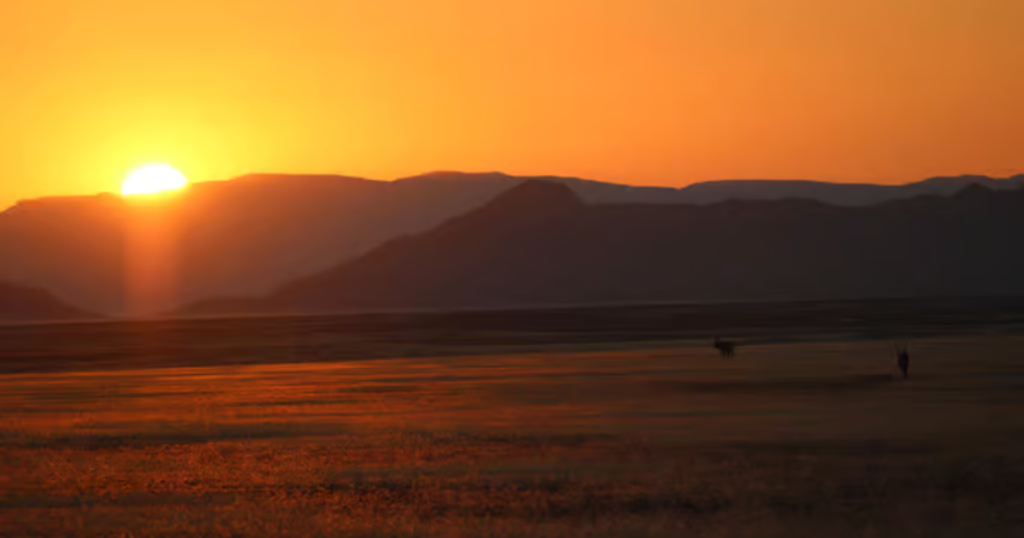
Golden hour here hits differently—the light is soft, warm, and dramatic.
🍽️ Food & Culture in Namibia
Namibia’s cuisine is influenced by German and African traditions.
Popular dishes:
- Braai (BBQ)
- Game meat (springbok, kudu)
- German pastries
Culturally, Namibia is diverse, with groups like the Himba offering unique traditions and lifestyles.
⚠️ Travel Tips for Namibia
- Always carry extra water
- Download offline maps
- Keep emergency supplies in your car
- Respect wildlife and distance
- Book early during peak season
❓ FAQ: Namibia Travel Guide
Is Namibia safe for tourists?
Yes—Namibia is considered one of the safest countries in Africa.
Do you need a 4×4?
Highly recommended for flexibility and remote areas.
Is Namibia good for first-time Africa travelers?
Absolutely—especially for self-drive adventures.
How many days do you need?
At least 7–10 days for a meaningful trip.
🌍 Final Thoughts: Is Namibia Worth It?
Namibia isn’t just another destination—it’s a place that reshapes how you see travel.
The silence of the desert, the vastness of the landscapes, and the raw beauty make it one of the most unforgettable places on Earth.
If your audience is looking for something extraordinary—something beyond the usual safari circuit—Namibia delivers in every way.