Okavango Delta
 Marvanton
Botswana’s Okavango Delta is one of Africa’s most extraordinary natural wonders. Recognized as a UNESCO World Heritage Site since 2014, this lush inland delta is a mesmerizing oasis in the heart of the Kalahari Desert. With its unique hydrology, rich biodiversity, and traditional mokoro (dugout canoe) safaris, the Okavango Delta offers an unforgettable experience for nature lovers, photographers, and adventure seekers alike.
🌍 Why the Okavango Delta Is a UNESCO World Heritage Site
The UNESCO designation celebrates the Okavango Delta for its ecological significance and unparalleled natural beauty. What makes this ecosystem truly unique is its seasonal flooding, which occurs during Botswana’s dry winter months (May to August), creating a lush wetland teeming with life.
Key reasons for its UNESCO status include:
- Exceptional biodiversity: Home to over 1,000 species of plants, 400 species of birds, and iconic wildlife such as elephants, lions, leopards, buffalo, and rhinos.
- Pristine ecosystem: One of the few remaining intact inland delta systems unaffected by human infrastructure.
- Cultural heritage: The delta supports traditional lifestyles, including the use of mokoros by the local BaYei and Hambukushu communities.
🚣 Mokoro Safaris: A Peaceful Glide Through the Wild
One of the most iconic ways to explore the Okavango Delta is by mokoro, a traditional dugout canoe once carved from the trunks of sausage trees. Today, many mokoros are made from eco-friendly fiberglass to preserve the trees and ecosystem.
Book now
What to Expect on a Mokoro Safari:
- Silent travel: Glide quietly through shallow, reed-lined channels, allowing for close encounters with wildlife without disturbing them.
- Expert polers: Local guides, known as “polers,” expertly navigate the waterways while sharing their deep knowledge of the delta’s flora, fauna, and history.
- Wildlife viewing: Spot hippos, crocodiles, elephants, antelope, and a variety of birds, including fish eagles and jacanas.
- Scenic tranquility: Unlike motorized safaris, mokoro excursions offer a peaceful, immersive experience in nature.
🐘 Wildlife Highlights of the Delta
The Okavango Delta is part of the Kavango-Zambezi Transfrontier Conservation Area, making it a key habitat for large mammals and migratory species. Some top sightings include:
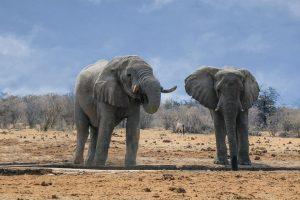
- African elephants in large herds, especially during the dry season.
- Leopards and lions lurking along the riverbanks.
- Rare antelope like the sitatunga and red lechwe, adapted to marshy terrain.
- Over 400 bird species, making it a birdwatcher’s paradise.
📅 Best Time to Visit the Okavango Delta
- May to October (Dry season): Ideal for mokoro safaris and wildlife viewing, as animals gather around the water sources.
- November to April (Green season): Lush scenery, dramatic thunderstorms, and bird breeding season — perfect for photography and birding.
🛖 Where to Stay: Eco-Lodges and Camps
Accommodation options range from rustic bush camps to luxurious eco-lodges. Many offer all-inclusive mokoro safaris, guided walks, and motorboat excursions.
Top eco-lodges in the Delta include:
- Xigera Safari Lodge – Ultra-luxury and sustainability combined.
- Moremi Crossing – Affordable with stunning views and mokoro access.
- Oddballs’ Camp – A popular choice for authentic, no-frills experiences.
✈️ How to Get There
The Okavango Delta is accessible via:
- Maun Airport (MUB) – Gateway to the Delta with daily flights from Gaborone and Johannesburg.
- Charter flights – Small aircraft transfer guests to remote camps within the delta.
🌿 Responsible Tourism in the Okavango Delta
Travelers are encouraged to support eco-friendly operators and community-based tourism initiatives. Many mokoro guides are part of cooperatives that invest back into local communities and conservation efforts.
Final Thoughts
The Okavango Delta is more than just a safari destination — it’s a living, breathing masterpiece of nature. Whether you're paddling silently through a papyrus channel in a mokoro or watching elephants bathe at sunset, every moment in this African Eden is pure magic. For a truly immersive and sustainable wildlife experience, few places on Earth compare.