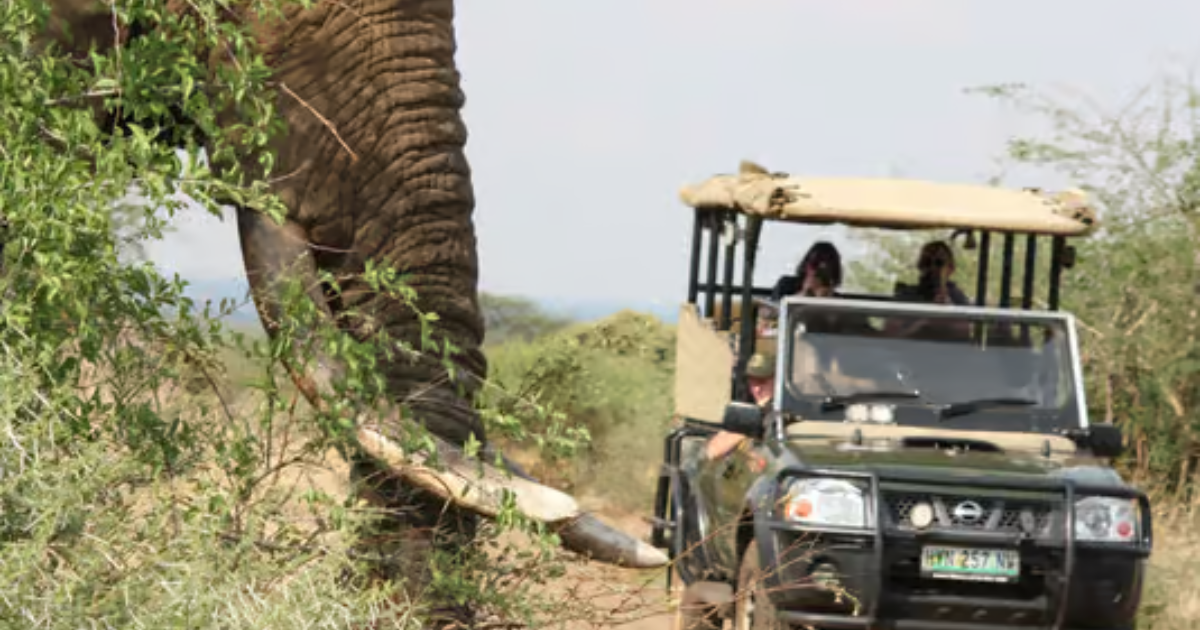
Imagine vast golden plains dotted with acacia trees, where lions roar at dawn and elephants trumpet by watering holes. Kruger National Park stands out as South Africa’s crown jewel for safaris, drawing over a million visitors each year with its unmatched mix of wildlife and open spaces. Spanning nearly 2 million hectares—about the size of Israel—this park offers the classic African adventure without the hassle of remote travel.
What makes Kruger shine? Its biodiversity tops the charts, from predators prowling riverbeds to birds flitting through mopane woodlands. You’ll chase the Big Five—lion, leopard, elephant, rhino, and buffalo—across savannas, thornbush, and riverine forests. This guide breaks it all down, so you can plan a trip that fits your style and budget.
Search Flights to South Africa
Planning Your Unforgettable Kruger Safari Adventure
Best Time to Visit Kruger National Park
Dry season from May to September brings clear skies and easy animal spotting. Animals gather at water holes, making sightings straightforward. But pack for cooler mornings; nights can dip below 50°F.
Wet season, October to April, turns the park lush and green. Rain brings baby animals and over 500 bird species in full color. Heat soars past 90°F, though, and dusty roads get muddy—plan for that.
Bird lovers pick summer for migrants like the fiery African pitta. Families often go in winter for milder days. Check weather apps before you book flights to Johannesburg.
- Tip for Packing: Layer clothes in dry months—fleece jackets for evenings. Add rain gear and insect repellent for wet times.
Choosing Your Kruger Experience: Self-Drive vs. Guided Tours
Self-driving gives you control. Rent a car in Johannesburg, enter the park gates, and stop when you spot a giraffe. It’s cheaper, around $20 per day for entry plus fuel, and lets you set your pace on main roads.
Guided tours offer expert eyes. Rangers know hidden spots for cheetahs or hyenas. Packages start at $300 per night, including meals and drives, but save time on planning.
In SANParks rest camps like Skukuza, you cook your own meals in basic bungalows—great for budget travelers at $50-100 nightly. Sabi Sands lodges next door pamper with champagne safaris and private trackers, costing $800+, for a deeper dive into leopard country.
Pick self-drive if you love freedom. Go guided for stories from locals who grew up tracking wildlife.
Accommodation Options: From Budget Bungalows to Luxury Lodges
SANParks rest camps suit tight budgets. Skukuza, the biggest hub, has self-catering units with kitchens for $60-120 per night. Satara offers similar spots amid lion territory—book early for peak months.
Mid-range private camps like those in Manyeleti provide pools and game drives for $200-400. You get guided walks and bush dinners without breaking the bank.
Ultra-luxury spots, such as Singita in the park’s north, spoil with spas and starlit views for $1,000+. Think private villas and chefs crafting meals from local ingredients.
Kruger accommodation prices vary by season—add 20% in July. Self-catering units save cash if you shop at camp stores. Always check reviews for quiet spots away from crowds.
Navigating Kruger National Park: Logistics and Safety
Essential Park Entry and Permit Requirements
You need a Wild Card or daily conservation fee—about $25 for adults, half for kids. Buy online via SANParks site to skip lines, especially May to September.
Gates open at sunrise, around 5:30 a.m. in summer, closing at sunset—6 p.m. in winter. No entry after close; rangers enforce it strictly.
Pay with cards or e-wallets at gates, but cash works too. Pre-book fees during holidays to avoid sell-outs.
- Quick Tip: Download the SANParks app for real-time gate times and road updates.
Maximizing Wildlife Sightings: Key Roads and Hotspots
Southern Kruger packs predators. Drive H1-2 from Skukuza to spot lions near the Sabie River. It’s prime for elephant herds too.
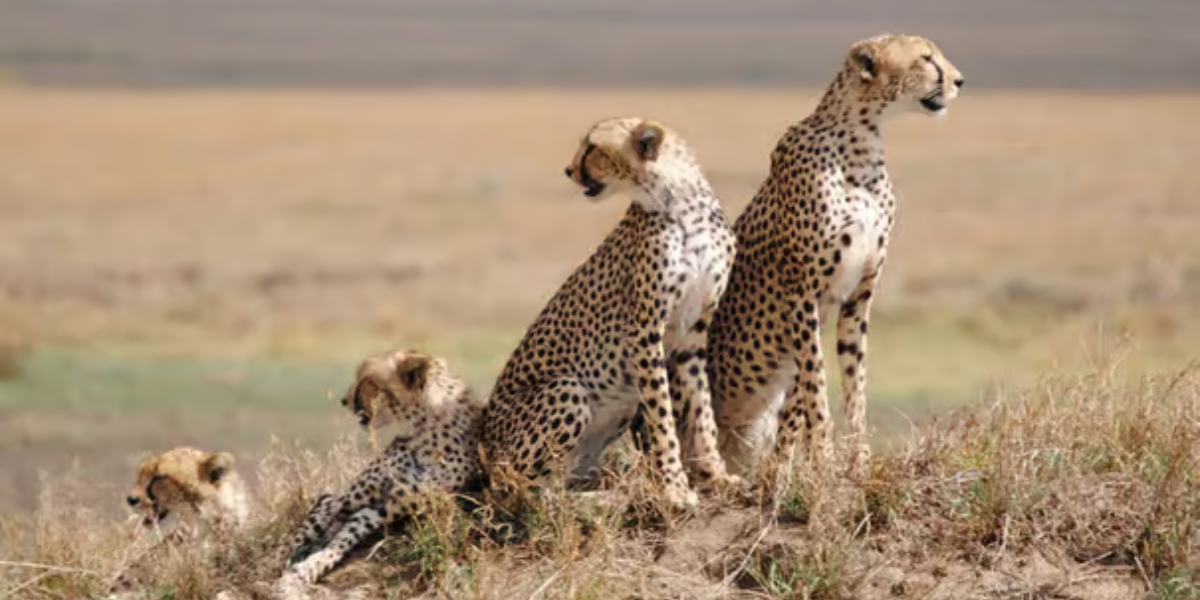
Central areas like Satara shine for cheetahs on open plains—take the S100 road at dawn. North’s Pafuri Triangle hides rare birds and fever trees, less crowded.
For leopards, try the best roads for leopard sightings in Kruger: shady bridges over the Letaba River. Early mornings or dusk boost your odds.
Waterholes like Nkuhlu draw crowds—arrive before 8 a.m. Use park maps to loop hotspots without backtracking.
Rules of the Road: Safety Protocols for Self-Drivers
Stick to 50 km/h speed limits on tar roads, 40 km/h on dirt. It cuts dust and protects animals crossing paths.
No driving after gates close—night curfew keeps you safe from unseen dangers. Stay in your vehicle outside camps; animals see you as a threat.
View from 100 meters away—no feeding or approaching. SANParks rules ban exiting cars on roads; fines hit $100. If a buffalo charges, reverse slowly—don’t panic.
Carry water, snacks, and a first-aid kit. Signal others with horns for big sightings, but keep noise low.
The Iconic Wildlife: Tracking the Big Five and Beyond
The Quest for the Big Five: Buffalo, Elephant, Lion, Leopard, Rhino
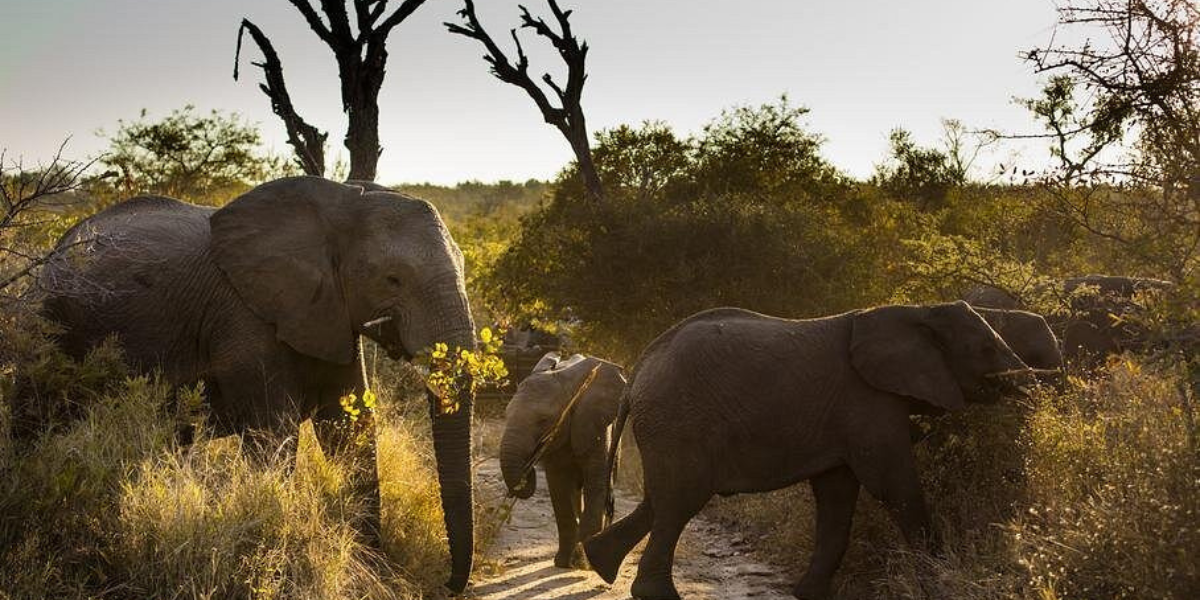
Elephants roam everywhere—watch them at dawn by the Olifants River, when they drink in family groups. Their trunks spray mud like living fountains.
Lions hunt at night but rest in shade during day. Scan kopjes near Satara for prides lounging.
Rhinos, mostly white, thrive in southern grasslands. Kruger protects over 10,000, thanks to anti-poaching patrols—spot them grazing at midday.
Leopards hide in trees; look up along rivers at twilight. They drag kills high to eat in peace.
Buffalo form massive herds by water in dry months. Stay alert—they charge if cornered.
Beyond the Big Five: Avian Life and Lesser-Seen Species
Kruger boasts over 500 bird species. Kruger birdwatching hotspots include Lake Panic, where kingfishers dive for fish.
Wild dogs hunt in packs across central plains—rare sights that thrill. Aardvarks emerge at night, snuffling for ants in soft soil.
Pangolins curl into balls if spotted; they’re shy and protected. Hippos yawn in rivers, but avoid their paths on foot.
Bring binoculars for lilac-breasted rollers in acacias. Winter calms crowds for better peeks.
Understanding Animal Behavior in the Kruger Ecosystem
Predators prowl at dawn and dusk, when prey relaxes. Lions team up for takedowns near water.
Dry season funnels animals to rivers—elephants dig for moisture. Rain spreads them out, making spots tougher.
Watch for tracks in dust: paw prints signal nearby cats. Rangers say patience pays—sit quiet, and life unfolds.
Beyond the Vehicle: Unique Kruger Experiences
Guided Bush Walks and Night Drives
Park rangers lead walks from rest camps—two-hour treks spotting insects and plants up close. You feel the bush pulse underfoot, unlike from a car.
Private reserves add night drives with spotlights, revealing owls and genets. Costs $30-50, but the after-dark views beat daytime.
Walks teach animal signs, like elephant dung piles. Book at camp offices; groups stay small for safety.
Exploring Kruger’s Cultural and Historical Sites
Thulamela ruins in the north show ancient stone walls from 500 years ago—climb for views of baobab groves. It hints at lost kingdoms.
Old forts from border wars dot the landscape—guides share soldier tales. Masorini village site displays Iron Age tools.
These spots blend nature with history. Visit mid-morning to dodge heat.
Conservation Spotlights and Ethical Tourism
Kruger fights poaching with drones and dog units, saving rhinos from horns hunters. Over 300 arrests yearly show progress.
Support locals by buying crafts at camp shops—funds aid communities. Skip rides that stress animals.
Your visit helps—fees go to habitat care. Ask guides about projects; it deepens the trip.
Conclusion: Your Next Steps to the Bushveld
Book now for peak season; spots fill six months ahead. Early planning locks in your dream dates.
Self-drive offers easy access for explorers, while lodges immerse you in luxury. Both deliver magic.
Grab your passport and use this blueprint for the ultimate South African safari. Head to Kruger—wildlife waits.
Explore More Safari Destinations