Discover Namibia’s Most Iconic Attractions & Natural Wonders
 Marvanton
Namibia is one of Africa’s most extraordinary travel destinations — a land of dramatic contrasts where ancient deserts meet the Atlantic Ocean, wildlife thrives in extreme environments, and some of the darkest night skies on Earth illuminate the horizon. From world-famous landmarks to rare wildlife adaptations, Namibia offers unforgettable experiences for nature lovers, adventure seekers, and photographers alike.
Below are the top reasons Namibia stands out as a must-visit destination in Africa.
🌍 Namibia’s Geography & Natural Landscapes
The World’s Oldest Desert
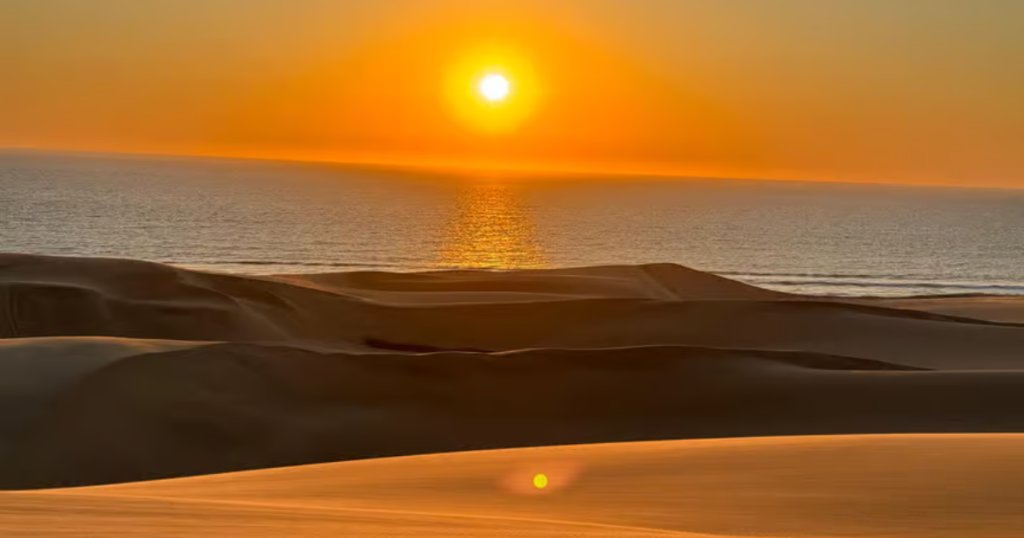
The Namib Desert, estimated to be over 55 million years old, is officially the oldest desert on Earth. Its towering red dunes, salt pans, and surreal landscapes make it one of Namibia’s most photographed attractions.
Skeleton Coast National Park
Famous for its shipwrecks, whale bones, and dense Atlantic fog, the Skeleton Coast is one of Africa’s most hauntingly beautiful coastlines. This remote stretch of shore showcases Namibia’s raw, untamed wilderness.
A Sunshine-Filled Destination
Namibia enjoys around 300 days of sunshine per year, making it ideal for year-round travel, photography, and outdoor adventures.
World-Class Stargazing
The NamibRand Nature Reserve is an official International Dark Sky Reserve, offering some of the clearest night skies on the planet — perfect for astrophotography and stargazing tours.
🐘 Wildlife & Conservation in Namibia
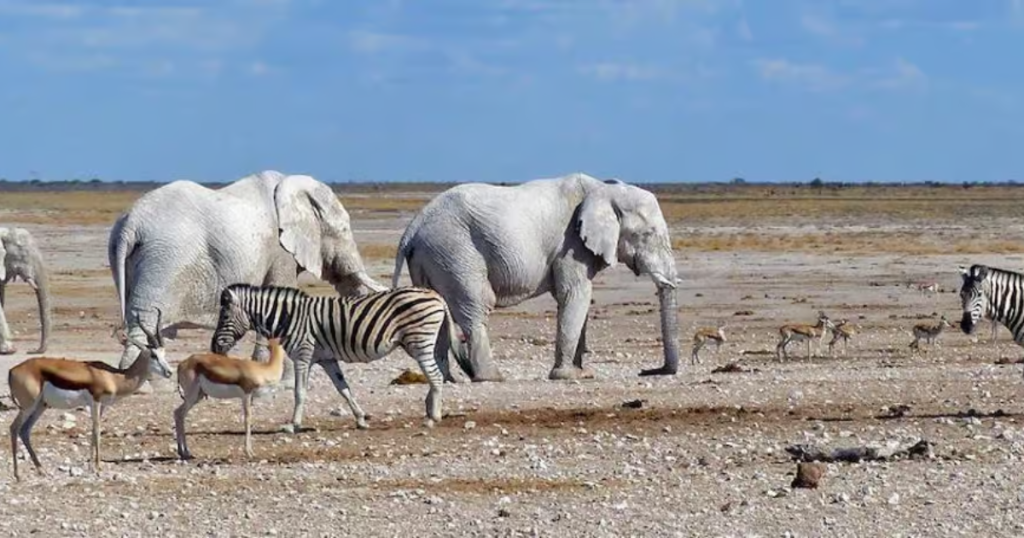
Desert-Adapted Elephants
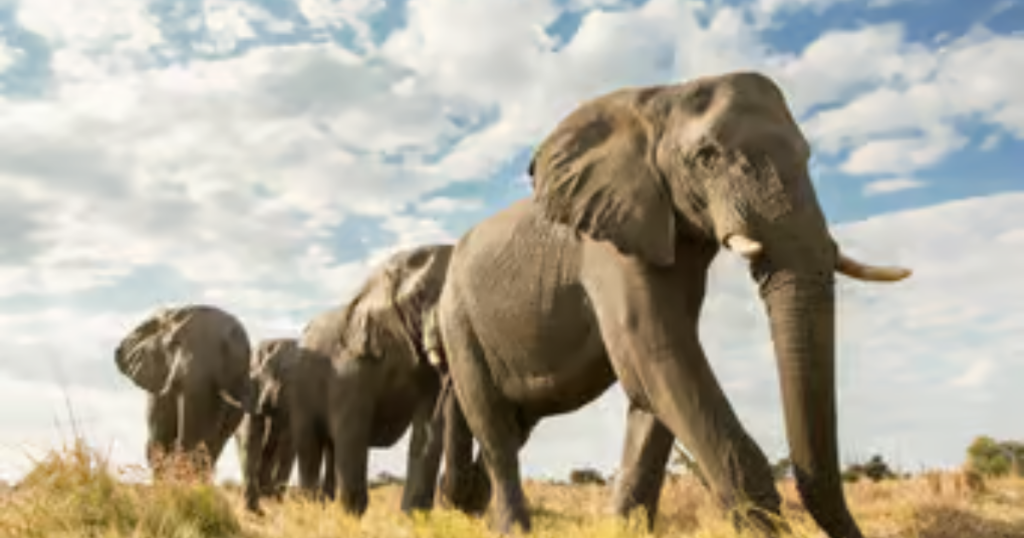
Namibia is one of the few places in the world where elephants have adapted to desert life, roaming the dry riverbeds of Damaraland in search of food and water.
Global Conservation Leader
Namibia was the first African country to include environmental protection in its constitution. Today, community-led conservancies manage vast wildlife areas while supporting local livelihoods.
The Cheetah Capital of the World
With the largest free-roaming cheetah population on Earth, Namibia plays a critical role in big cat conservation and sustainable tourism.
🏛️ Namibia’s History & Cultural Heritage
Twyfelfontein UNESCO World Heritage Site
Home to over 2,500 ancient rock engravings, some dating back 6,000 years, Twyfelfontein is Namibia’s first UNESCO-listed site and a window into early human history.
The San People
Among the world’s oldest surviving hunter-gatherers, the San possess deep ecological knowledge. By the age of 12, San children can identify hundreds of plant species used for survival.
One of the World’s Least Populated Countries
Despite covering 825,000 km², Namibia has only around 2.5 million people, making it the second least densely populated country globally — perfect for travelers seeking wide-open spaces.
German Colonial Influence
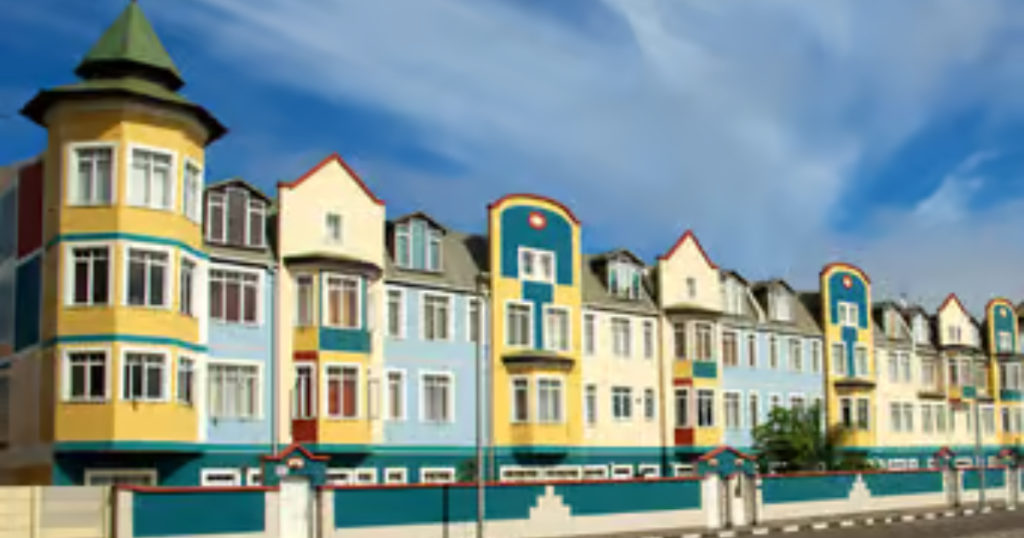
Cities like Swakopmund still reflect Namibia’s German colonial past, with distinctive architecture, bakeries, and a strong beer culture.
All Namibia Tours & Excursions in 2026
🌟 Fun & Surprising Facts About Namibia
- Dune 7 near Walvis Bay is one of the tallest sand dunes in the world, standing at 383 meters
- Fish River Canyon is the second-largest canyon globally, stretching 160 km long
- Namibia’s landscapes often appear “otherworldly,” making them popular filming locations
🦁 Skeleton Coast Maritime Lions – Namibia’s Wildest Predators
One of Namibia’s most remarkable wildlife success stories is the return of the Skeleton Coast maritime lions — the only lions in the world known to regularly hunt along the ocean shoreline.
Why These Lions Are Unique
- Extreme Adaptation: They survive where the desert meets the Atlantic Ocean
- Marine Hunters: Feeding on Cape fur seals, seabirds, and whale carcasses
- Fog Navigators: Using dense coastal fog for camouflage, moisture, and cooling
- Vast Territory: Some lions travel up to 200 km across dunes and riverbeds
- Female-Led Comeback: The first modern coastal prides were led by females
- Conservation Success: Once thought extinct, they reappeared in the 2010s thanks to the Desert Lion Conservation Project
Their story has been featured in documentaries such as Vanishing Kings: Lions of the Namib Desert, symbolizing survival against the odds.
🌍 Why Namibia’s Conservation Story Matters
The Skeleton Coast maritime lions highlight Namibia’s role as a global leader in wildlife conservation. Protecting these lions also supports local Himba and Herero communities through eco-tourism, research partnerships, and coexistence programs.
🇳🇦 Namibia Destination Highlights at a Glance
Cities in Namibia

🏜️ Natural Wonders
- Namib Desert – World’s oldest desert
- Skeleton Coast – Shipwrecks & foggy beauty
- Dune 7 – One of the tallest dunes globally
- Fish River Canyon – Second largest canyon in the world
🌌 Stargazing & Climate
- 300 days of sunshine annually
- NamibRand International Dark Sky Reserve
🐘 Wildlife
- Desert-adapted elephants
- World’s largest free-roaming cheetah population
- Community-led conservation success
✨ Why Visit Namibia?
Namibia is a destination where ancient deserts, rare wildlife, rich cultures, and endless skies come together. From the towering dunes of the Namib Desert to the extraordinary Skeleton Coast maritime lions, Namibia offers travelers authentic, uncrowded, and unforgettable African experiences.
Frequently Asked Questions About Namibia Travel
Why is Namibia famous?
Namibia is famous for the world’s oldest desert, the Namib Desert, the dramatic Skeleton Coast, unique desert-adapted wildlife, and some of the darkest night skies on Earth. Travelers often book flights to Namibia for its uncrowded landscapes and authentic African experiences.
What are the top attractions in Namibia?
Top attractions in Namibia include the Namib Desert, Skeleton Coast National Park, Fish River Canyon, Dune 7 near Walvis Bay, Twyfelfontein UNESCO World Heritage Site, and NamibRand Nature Reserve. Many visitors explore these highlights through guided Namibia safari tours or self-drive itineraries.
Is Namibia good for wildlife safaris?
Yes, Namibia is excellent for wildlife safaris. It is home to desert-adapted elephants, the world’s largest free-roaming cheetah population, black rhinos, lions, and community-led conservation areas. You can compare Namibia safari packages ranging from budget to luxury experiences.
What makes the Skeleton Coast unique?
The Skeleton Coast is unique for its shipwrecks, whale bones, dense Atlantic fog, rugged coastline, and rare wildlife including desert-adapted lions and seals. Many travelers rent a vehicle to explore this remote region, making car rental in Namibia a popular option.
Are there lions on Namibia’s Skeleton Coast?
Yes, the Skeleton Coast is home to maritime desert lions, the only lions in the world known to hunt marine prey such as Cape fur seals and seabirds. These lions are often seen on specialized guided safari expeditions led by conservation-focused operators.
Is Namibia good for stargazing?
Namibia is one of the best destinations in the world for stargazing, with around 300 days of sunshine per year and the NamibRand Nature Reserve designated as an International Dark Sky Reserve. Remote lodges are best accessed by self-drive car rentals or fly-in safari routes.
How safe is Namibia for tourists?
Namibia is considered one of the safest travel destinations in Africa, especially for self-drive trips. Booking reliable car hire in Namibia and pre-planned routes helps ensure a smooth and secure journey.
When is the best time to visit Namibia?
The best time to visit Namibia is during the dry season from May to October, which offers cooler temperatures, excellent wildlife viewing, and clear skies. This is also peak season for cheap flights to Namibia and popular safari departures.
🔥 Related Namibia Travel Options:
- Flights to Namibia
- Accommodation (Namibia: Windhoek, Swakopmund, Sossusvlei)
- Car hire
- All Namibia Tours & Excursions in 2026