Botswana Travel Guide: Best Safaris, Seasons, and Costs
Botswana feels bigger, quieter, and wilder than many first-time safari travelers expect. If you want floodplains, desert skies, and strong wildlife viewing without heavy crowds, it’s one of Africa’s best picks.
That said, Botswana isn’t the cheapest safari country, and planning matters. The right season, the right park, and the right transport style can shape your whole trip.
This Botswana travel guide will help you choose when to go, where to focus, how to get around, what it may cost, and how to stay safe on the ground.
Check Flights to AfricaChoose the best time to visit Botswana for your travel style
Botswana shifts a lot through the year, and those changes affect wildlife, roads, comfort, and price. Picking your dates well can save money or improve game viewing, depending on what matters most to you.
Dry season vs green season, what changes for wildlife, weather, and prices
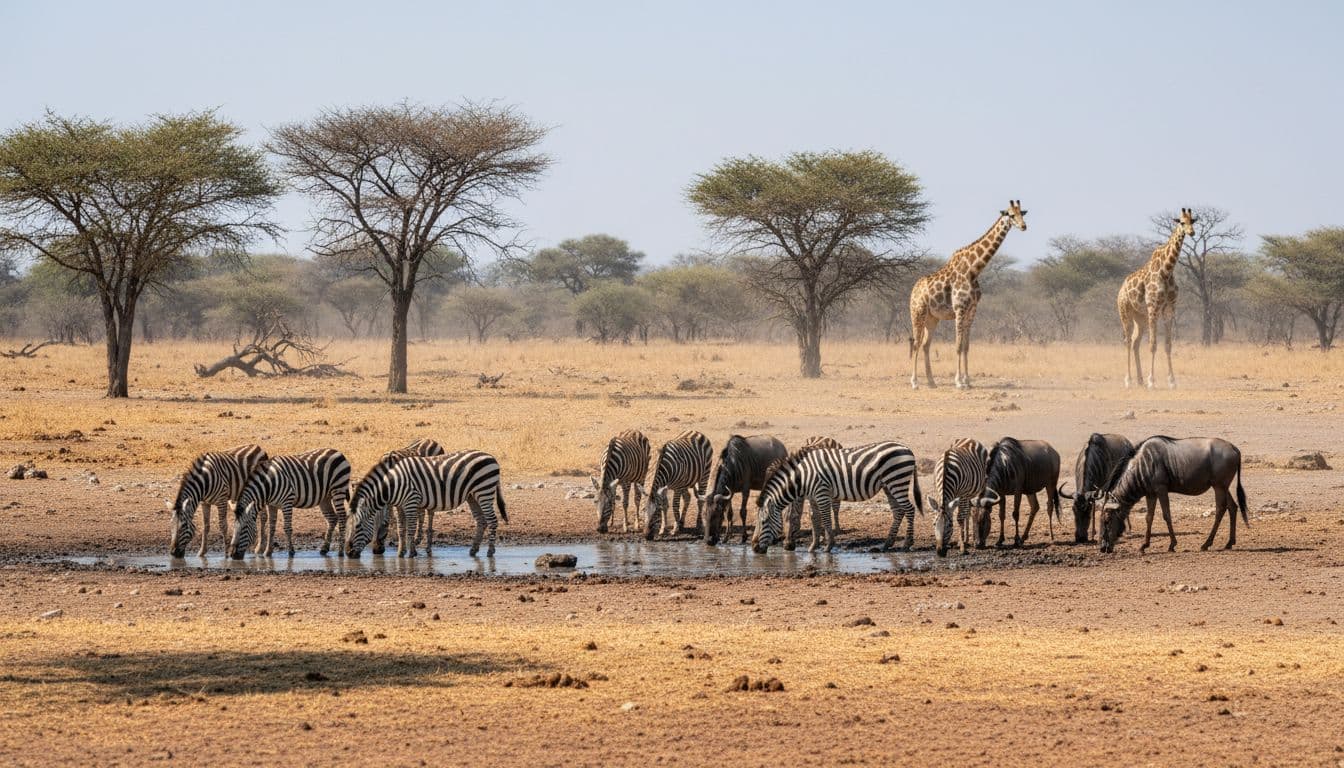
From about May to October, Botswana is dry, cooler at night, and easier for wildlife spotting. Grass is shorter, water is scarce, and animals gather near rivers and waterholes. As a result, game drives often feel more productive, especially for first-time visitors.
Prices usually rise in these months because conditions are classic safari weather. Roads are also more reliable, which helps if you’re self-driving.
November to April is the green season. Storms roll in, landscapes turn lush, and birdlife improves fast. You’ll also see newborn animals in many areas, which makes this period great for photographers and birders.
However, wildlife can spread out because water is more widely available. Some tracks become muddy, and travel in remote places may take longer.
Best months for safaris, birdwatching, and a first visit
For a first trip, July to October is the safest bet. Water-based areas are active, skies are clear, and wildlife is usually easier to find. August and September are especially popular, so book early.
If birds matter more, look at December through March. Migratory species arrive, breeding colors stand out, and storm light can make photos look dramatic. January and February can also bring lower rates in some properties.
Accommodation in BotswanaShoulder months can work well too. June often gives you dry-season benefits with slightly less pressure on prices than peak months.
Pick the right places to visit in Botswana
Botswana has several famous safari regions, but most first trips are better with two or three bases, not six. Distances are long, and moving too much can eat your time.
Okavango Delta for water safaris, luxury camps, and iconic wildlife
The Okavango Delta is Botswana’s headline act, and for good reason. This inland wetland mixes channels, islands, reeds, and floodplains in a way that feels almost unreal.
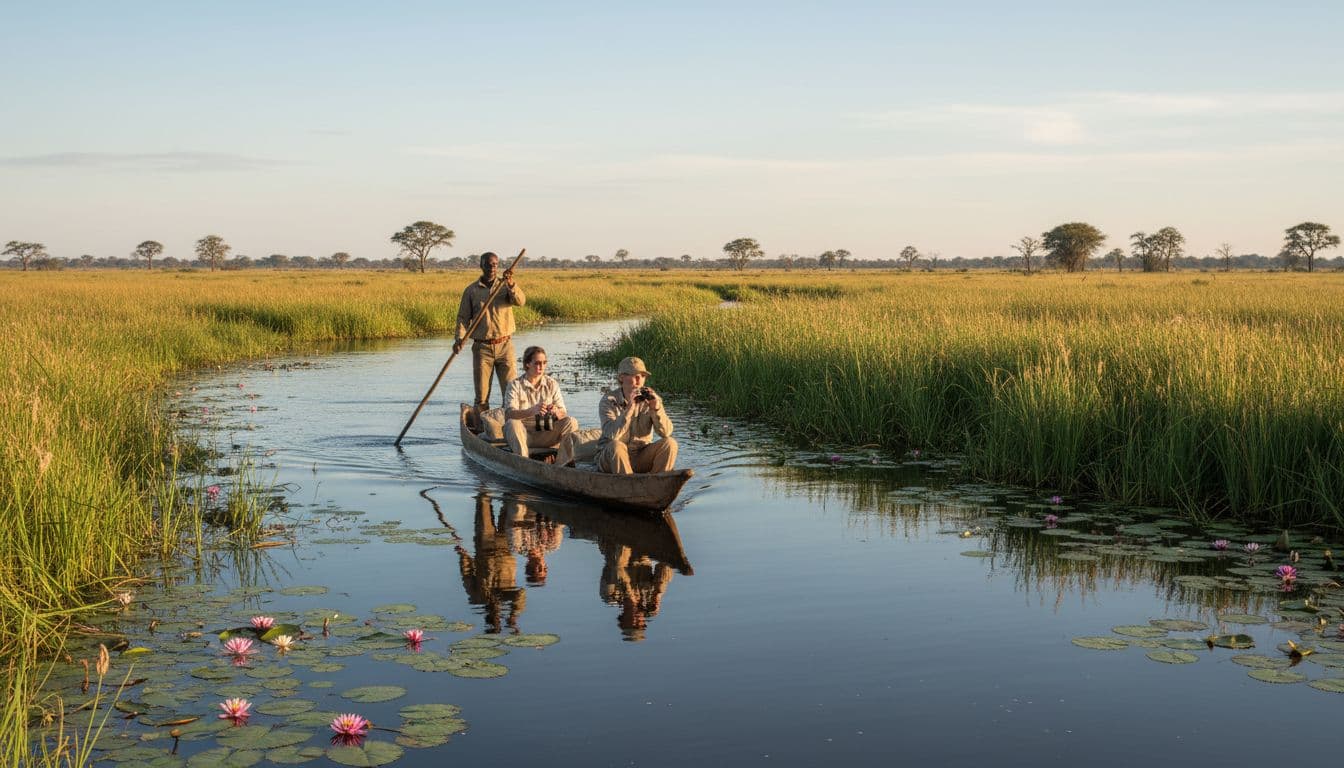
Mokoro trips and boat safaris are the big draw here. You glide through shallow water at eye level with birds, hippos, and the edges of the grasslands. In many areas, you’ll also pair water activities with guided walks or game drives.
Many camps in the Delta are remote, fly-in, and expensive. Still, if you want a bucket-list safari, this is the place many travelers remember most.
Chobe National Park for elephants, river cruises, and easier access
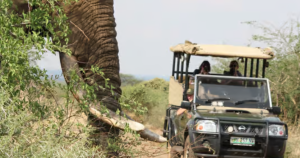
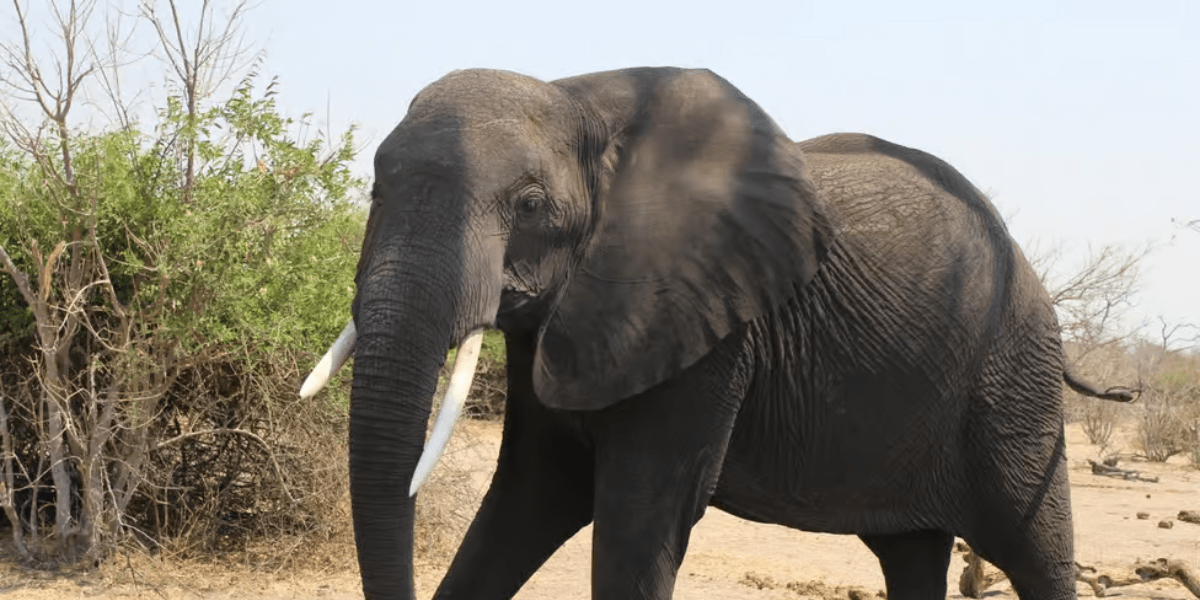
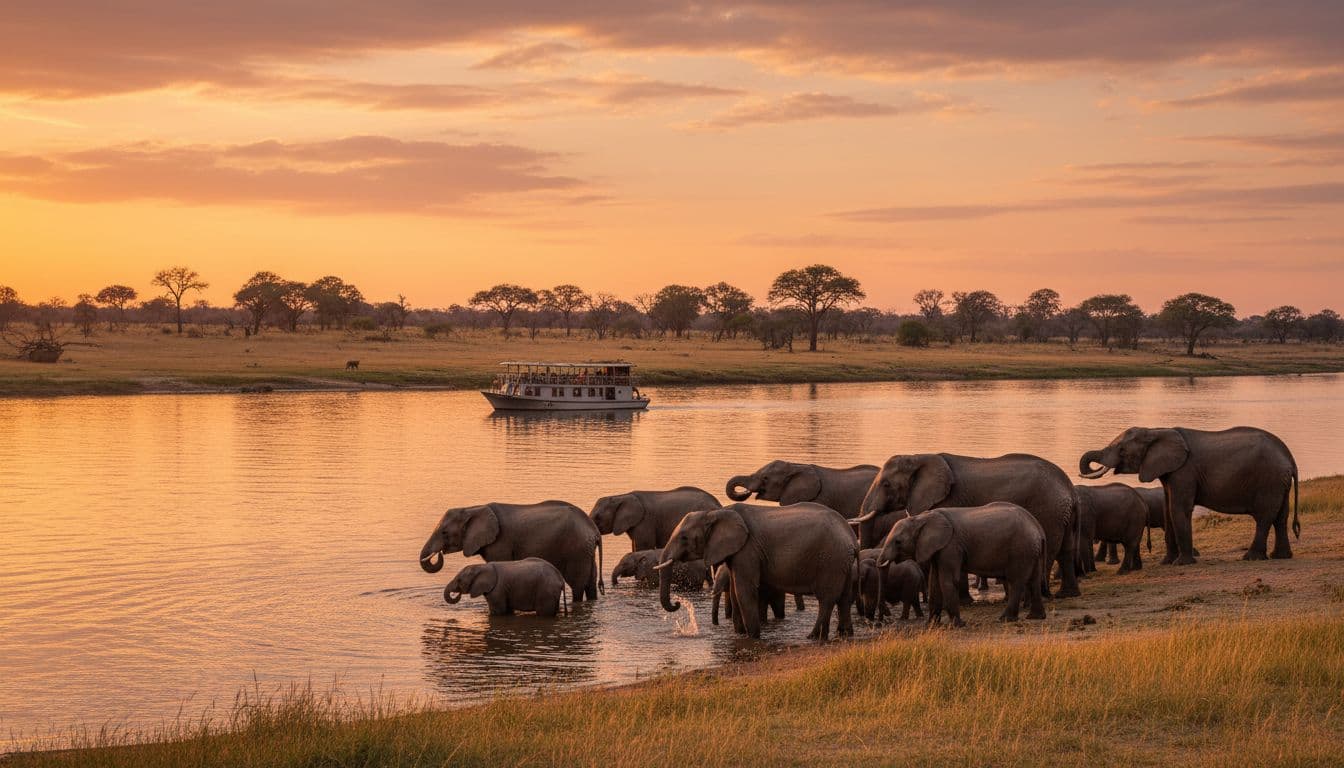
Chobe is famous for elephants, and that reputation holds up. Large herds often gather near the river, especially in the dry months, so sightings can come fast.
The Chobe River front near Kasane is also one of the easiest safari areas to reach. That’s useful if you’re coming from Victoria Falls, Zambia, or Namibia. Sunset boat trips are a highlight because you can watch animals drink while the light softens over the water.
For travelers who want a simpler add-on safari, Chobe makes a lot of sense.
Moremi and the Kalahari for classic game viewing and wide open scenery
Moremi Game Reserve gives you one of the best all-around safari mixes in the country. You get wetland edges, dry bush, and strong chances to see predators, antelope, and birds in the same trip.
The Central Kalahari is different. It’s bigger, drier, and feels more remote. Go there for space, silence, and dramatic open views. If you want a quieter safari and don’t mind long distances, it can be unforgettable.
For most first visits, pairing Chobe or Moremi with the Okavango Delta gives a balanced trip.
Plan your budget, transport, and daily travel details
Botswana rewards planning because logistics shape both cost and comfort. A luxury fly-in trip and a self-drive route can feel like two different countries.
How much a Botswana trip costs and ways to save money
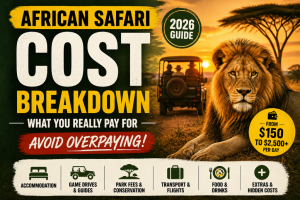
Botswana is often a higher-end safari destination. Remote camps, small-plane transfers, park fees, and guided activities push prices up fast. The Delta is usually the most expensive area, while road-based trips around Maun or Kasane can be easier on your budget.
You can still cut costs without ruining the trip. Travel in shoulder season if your dates are flexible. Stay a few nights in Kasane or Maun. Join a small-group mobile safari, or self-drive where roads and your experience allow it.
A shorter trip with two strong regions often gives better value than trying to cover everything.
Getting around Botswana, from small flights to self-drive routes
Most travelers enter through Maun or Kasane. Maun is the main gateway for the Okavango and Moremi. Kasane works well for Chobe and for trips linked to Victoria Falls.
Fly-in safaris save time and reach remote camps quickly. They also cost more. Self-drive trips are cheaper, but some routes need a 4×4, recovery gear, and confidence on sand tracks. In wet months, driving gets harder.
If you’re adding Victoria Falls, border hops are common and fairly simple with the right documents. Still, always check current visa and entry rules before you go.
What to pack, health basics, and simple safety advice
Pack light layers, because mornings can feel cold even after hot days. Neutral clothes, a hat, sunglasses, sunscreen, and insect repellent all matter. Binoculars are worth the space.
A few basics go a long way:
- Bring any needed malaria medication for risk areas, after medical advice.
- Carry a reusable bottle, but drink safe water from trusted sources.
- Keep travel insurance that covers medical care and trip changes.
- Listen to guides near wildlife, even when animals look calm.
Botswana is generally a comfortable place to visit, but common sense matters. Keep valuables secure, avoid walking alone in wild areas at night, and respect park rules.
Botswana can work for many travel styles, from high-end fly-in safaris to careful self-drive plans. The key is to match the season and regions to what you want most, whether that’s easy wildlife viewing, birdlife, quiet scenery, or a lower price.
If you’re planning a first trip, focus on two or three key areas and book early for popular dry-season months. Give yourself enough time in each place, and Botswana will reward you with the kind of wild space that’s getting harder to find.