Introduction: Welcome to Namibia’s Wild Heart
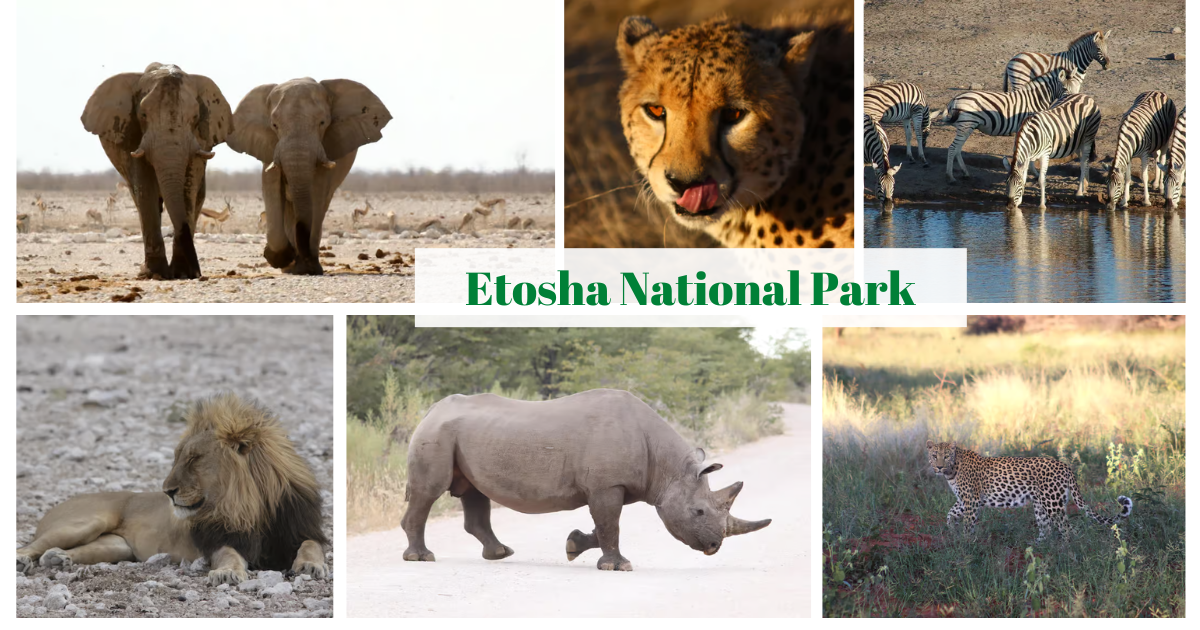
Etosha National Park is one of Africa’s most extraordinary wildlife destinations — a vast expanse of shimmering salt pans, ancient mopane woodlands, and open savannas that host an astonishing range of wildlife. Located in northern Namibia, Etosha is a safari paradise where elephants dust-bathe under crimson sunsets, lions prowl near waterholes, and herds of springbok and zebra stretch to the horizon.
For nature lovers, photographers, and adventure seekers alike, Etosha National Park delivers the ultimate wildlife experience. Whether you’re self-driving or joining a guided safari, this destination guarantees close encounters with Africa’s most iconic animals — including the legendary Big Five and countless bird species.
👉 Plan your Etosha adventure today with trusted guided tours from GetYourGuide.
A Brief History of Etosha National Park
Established in 1907 by German colonial authorities, Etosha National Park was originally one of the largest game reserves in the world, covering nearly 100,000 square kilometers. Although its size has since been reduced, the park remains a massive 22,270 square kilometers — roughly the size of New Jersey.
The name “Etosha” means “Great White Place,” referring to the park’s defining feature: the Etosha Pan, a vast salt flat so large it can be seen from space. During the dry season, the pan is a shimmering desert, but after the rains, it transforms into a temporary lake that attracts flamingos and pelicans by the thousands — one of nature’s great spectacles.
Why Visit Etosha National Park
Few destinations on Earth combine accessibility, affordability, and sheer natural drama like Etosha. Here’s why this park belongs on every safari lover’s bucket list:
1. Incredible Wildlife Encounters
Etosha is home to more than 100 mammal species, including elephants, lions, leopards, cheetahs, giraffes, rhinos, zebras, and wildebeest. It’s one of the best places in southern Africa to spot the endangered black rhino, often seen near waterholes at dusk.
You can also expect sightings of oryx, kudu, impala, jackals, and even the elusive honey badger. The park’s open terrain and abundant waterholes make wildlife viewing remarkably easy — you can spot animals year-round, even from the comfort of your car or lodge terrace.
👉 Join a professional guided safari to maximize your sightings — book your Etosha wildlife experience with GetYourGuide.
2. Unique Landscapes
From shimmering salt flats and acacia woodlands to golden grasslands and natural springs, Etosha’s landscapes are as diverse as its wildlife. The Etosha Pan dominates the horizon, reflecting the sun like a mirror during dry months and bursting into color with birdlife after the rains.
3. Accessible Self-Drive Safaris
Unlike many African parks, Etosha National Park is self-drive friendly, offering well-maintained roads, rest camps, and waterhole viewpoints. It’s ideal for travelers seeking a flexible, independent adventure — though guided tours offer the benefit of expert tracking and storytelling.
4. Photographer’s Paradise
Etosha’s open landscapes, clear light, and dramatic wildlife interactions make it a dream for photographers. Early morning and late afternoon drives yield breathtaking shots — think lions backlit by golden sunlight or elephants silhouetted against glowing salt pans.
The Best Time to Visit Etosha National Park
Dry Season (May to October)
This is the best time for wildlife viewing. With little rainfall, animals congregate around waterholes, making sightings easy and frequent. Days are warm, nights are cool, and the skies are crystal clear — perfect for photography.
Wet Season (November to April)
During the rains, the park turns lush and green. It’s a birdwatcher’s paradise, as migratory species arrive and flamingos return to the Etosha Pan. While wildlife disperses, the scenery becomes more vibrant and serene — ideal for travelers who prefer fewer crowds.
👉 Explore Etosha in every season with expertly planned tours and safaris from GetYourGuide.
Top Wildlife You’ll See in Etosha
Etosha is home to Africa’s most sought-after species. Here’s what to look for on your safari:
🦁 Lions

Etosha’s lions are famous for their light-colored coats that blend with the arid terrain. Watch them lounging near waterholes or stalking prey in the grasslands at dawn.
🐘 Elephants

Etosha’s elephants are among the largest in Africa, often coated in white dust from the pan. Seeing a herd approach the Okaukuejo waterhole at sunset is pure magic.
🦏 Rhinos

The park is one of the last strongholds for the endangered black rhino. Both black and white rhinos roam here — often spotted after dark under the floodlights of certain camp waterholes.
🐆 Leopards and Cheetahs
Though elusive, leopards are often found near Halali Camp, while cheetahs favor the open plains around Namutoni.

🦒 Giraffes, Zebras, and Antelopes
From elegant giraffes to herds of Burchell’s zebra, impala, and oryx, the diversity of grazers here ensures constant predator action.
🐦 Birdlife
With over 340 bird species recorded, Etosha is a birder’s dream — from lilac-breasted rollers and ostriches to flamingos, eagles, and owls.

👉 Join a guided wildlife safari or birding experience with GetYourGuide.
Top Safari Experiences in Etosha
1. Guided Game Drives
Experience the wild from open 4×4 vehicles, led by expert guides who know every track and animal behavior. Guided safaris often include sunrise, sunset, and night drives — perfect for spotting nocturnal animals like hyenas and genets.
👉 Book your guided game drive with GetYourGuide.
2. Night Safaris
Etosha’s night drives are thrilling — a different world comes alive under the stars. Spot leopards, honey badgers, owls, and black rhinos illuminated by spotlights.
3. Waterhole Viewing
The park’s floodlit waterholes — particularly at Okaukuejo, Halali, and Namutoni camps — offer incredible after-dark viewing from safe vantage points.
4. Photography Tours
Capture the soul of Etosha with professional photography tours. The contrasting light and vast open plains make it one of Africa’s best locations for wildlife photography.
5. Cultural Encounters
Visit nearby Himba or Herero villages to learn about Namibia’s rich cultural heritage — many tours include these stops alongside the safari experience.
👉 Combine culture and wildlife on a complete Etosha experience with GetYourGuide.
Where to Stay in Etosha National Park
Etosha offers a range of accommodation — from budget-friendly campsites to luxury lodges just outside the gates.
🏕️ Inside the Park (Managed by NWR – Namibia Wildlife Resorts)
- Okaukuejo Camp: Famous for its floodlit waterhole, where elephants and rhinos gather nightly.
- Halali Camp: Centrally located and excellent for spotting leopards.
- Namutoni Camp: Built around a historic German fort with easy access to eastern Etosha.
🏡 Outside the Park Gates
- Ongava Lodge: A luxury private reserve adjacent to Etosha’s Andersson Gate, ideal for premium game drives.
- Mushara Collection: Elegant lodges near Namutoni Gate, perfect for comfort and fine dining.
- Etosha Safari Camp: Vibrant and budget-friendly, offering a lively local atmosphere.
👉 Compare accommodation options and book safari packages via GetYourGuide.
How to Get There
✈️ By Air
The closest airport is Ondangwa Airport (about 200 km away), with domestic connections from Windhoek. International travelers usually arrive via Hosea Kutako International Airport in Windhoek and then drive north.
🚗 By Car
Travel services
Etosha is accessible via excellent tarred roads from Windhoek — roughly a 5 to 6-hour drive. The park has four main entrances:
- Andersson Gate (Okaukuejo area)
- Von Lindequist Gate (Namutoni area)
- Galton Gate (Western Etosha)
- King Nehale Gate (Northeastern corner)
👉 Book your transport or full-day Etosha tours from Windhoek on GetYourGuide.
Travel Tips for Etosha National Park
- Start Early: The best wildlife sightings happen early morning or late afternoon.
- Stay Hydrated: The sun can be intense; carry plenty of water.
- Binoculars & Cameras: Essential for spotting distant animals.
- Respect Wildlife: Keep a safe distance and never leave your vehicle outside designated areas.
- Book Ahead: Camps and lodges fill up quickly during the dry season.
- Combine Destinations: Add stops like Damaraland, Swakopmund, or Sossusvlei for a complete Namibian adventure.
👉 Discover full Namibia tour packages including Etosha with GetYourGuide.
Etosha vs. Kruger and Other Parks
While Kruger National Park in South Africa is famous for its density of animals, Etosha offers a more intimate, uncluttered experience. The stark, cinematic landscapes and ease of wildlife viewing make Etosha one of Africa’s most photographer-friendly safari parks.
Unlike the lush vegetation of East African reserves, Etosha’s openness means you can spot animals from kilometers away. It’s raw, vast, and mesmerizing — a world where nature reigns supreme.
Responsible Travel in Etosha
As a protected area, Etosha plays a crucial role in conservation. Visitors are encouraged to travel responsibly by following park rules, minimizing waste, and supporting local communities and eco-friendly lodges.
By booking with ethical partners like GetYourGuide, you’re also supporting sustainable tourism initiatives that help protect Namibia’s unique wildlife and habitats.
Final Thoughts: The Soul of Etosha
Etosha National Park is more than just a safari destination — it’s a journey into Africa’s untamed heart. From the haunting beauty of the salt pan to the thunder of elephant herds at dusk, every moment here feels timeless.
Whether it’s your first safari or your tenth, Etosha captures something eternal — the wild rhythm of nature, unfiltered and unforgettable.
👉 Plan your dream Namibian safari today with GetYourGuide and experience Etosha’s magic up close.


2 thoughts on “Etosha National Park, Namibia: Africa’s Wildlife Wonderland”