The Legendary Maasai Mara: Safari at Its Best
 Marvanton
Introduction: Maasai Mara The Heartbeat of the African Wilderness
There are few places on Earth that capture the wild beauty and untamed spirit of Africa quite like the Maasai Mara National Reserve. Stretching across the southwestern plains of Kenya, this vast expanse of rolling grasslands, acacia-dotted savannas, and winding rivers is one of the world’s most famous safari destinations.
The Maasai Mara—often simply called The Mara—is not just a park; it’s a living, breathing ecosystem that showcases nature’s raw magnificence. From the thundering hooves of the Great Migration to the intimate encounters with the Big Five, every moment here feels like stepping into a timeless wildlife documentary.
In this comprehensive guide, we’ll explore everything you need to know about this legendary destination — including the best things to do in the Maasai Mara, when to visit, what wildlife you can expect, where to stay, and how to plan the perfect safari adventure.
1. Discovering the Maasai Mara: A Jewel of Kenya
The Maasai Mara National Reserve lies in Kenya’s Narok County, forming the northern continuation of Tanzania’s Serengeti National Park. Together, these two ecosystems create one of the largest and most diverse wildlife sanctuaries on Earth, spanning over 30,000 square kilometers.
The Mara itself covers about 1,510 square kilometers and takes its name from the Maasai people, who have lived here for centuries. In the Maasai language, “Mara” means “spotted,” a poetic description of the landscape dotted with trees, shrubs, and shadows cast by passing clouds.
The reserve is part of the Great Rift Valley ecosystem, offering dramatic vistas, winding rivers like the Mara and Talek Rivers, and fertile plains that support some of Africa’s richest wildlife populations.
2. The Great Migration: Nature’s Greatest Show
If there’s one event that defines the Maasai Mara, it’s the Great Wildebeest Migration — one of the most spectacular natural phenomena on the planet. Every year, more than 1.5 million wildebeest, accompanied by hundreds of thousands of zebras and gazelles, move in a massive circular journey between the Serengeti in Tanzania and the Maasai Mara in Kenya.
This epic migration, driven by the search for fresh grazing and water, usually takes place between July and October, when the herds cross the Mara River. Watching this dramatic event unfold—complete with thunderous stampedes, perilous river crossings, and predator ambushes—is a once-in-a-lifetime experience.
Highlights of the Great Migration in Maasai Mara:
- Witness river crossings at the Mara River (best near Kogatende and Talek areas).
- Observe predator-prey interactions involving lions, crocodiles, and cheetahs.
- Experience the breathtaking sight of endless herds stretching to the horizon.
Photography Tip: Bring a long lens (200–400 mm) and shoot early mornings or late afternoons for soft golden light.
3. The Big Five and Beyond: Wildlife Encounters
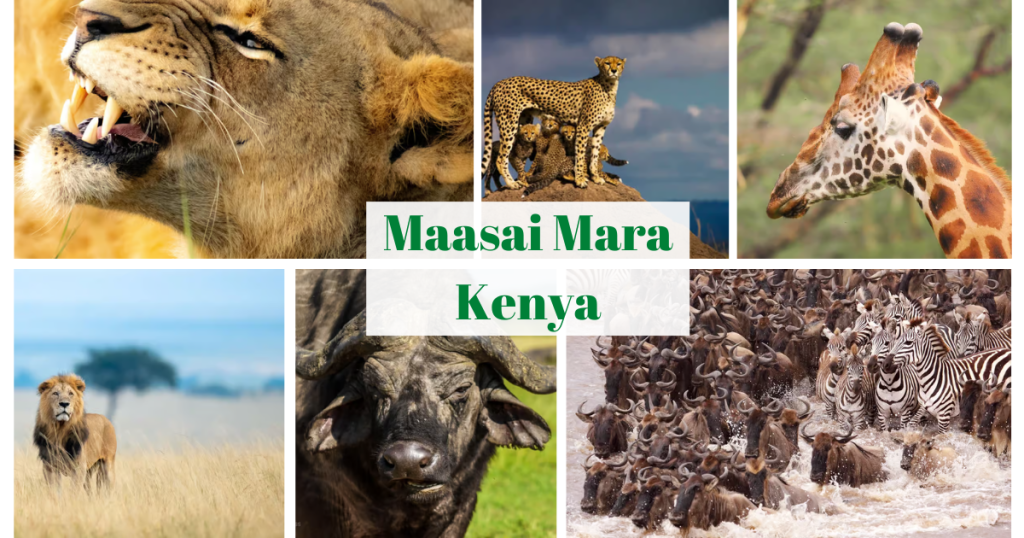
The Maasai Mara is synonymous with abundant wildlife. It’s one of the best places in Africa to spot the Big Five—lion, leopard, elephant, buffalo, and rhinoceros—along with a host of other fascinating creatures.
Common Wildlife Sightings
- Lions: The Mara is home to one of Africa’s largest lion populations, often seen lounging under acacias or hunting during dawn and dusk.
- Leopards: Typically elusive, leopards are frequently spotted in riverine forests and along the Talek River.
- Elephants: Gentle giants that move gracefully across the plains, often seen in family herds.
- Buffalo: Massive herds graze across the savannas, forming one of the most impressive sights.
- Rhinos: Both black and white rhinos can be found, particularly in private conservancies.
Beyond the Big Five, you’ll also find:
- Cheetahs: The Mara’s open plains make it one of the best places to see cheetahs in action.
- Hippos and Crocodiles: Common in the Mara River.
- Over 450 bird species: Including crowned cranes, lilac-breasted rollers, and vultures.
For birdwatchers, the Mara is a year-round paradise. The combination of resident and migratory species offers endless variety.
4. Safari Activities: What to Do in the Maasai Mara
4.1 Game Drives
The classic way to explore the Mara is on game drives—either morning, afternoon, or full-day safaris. Vehicles are typically 4x4 Land Cruisers or Land Rovers with open roofs for unobstructed views.
- Morning Drives: Ideal for spotting predators on the hunt.
- Afternoon Drives: Great for relaxed sightings of elephants, giraffes, and grazers.
- Full-Day Drives: Include picnic lunches in the bush and cover wider areas.
4.2 Hot Air Balloon Safaris

Few experiences compare to drifting silently over the Mara at sunrise in a hot air balloon. As the first light hits the savanna, you’ll witness herds of animals below and panoramic views of the wilderness.
After the flight, enjoy a champagne breakfast in the bush—a truly bucket-list moment.
4.3 Walking Safaris & Bush Treks
Some private conservancies offer guided walking safaris, allowing you to experience the Mara on foot. Accompanied by Maasai guides and armed rangers, you’ll learn about tracking, animal behavior, and local flora.
4.4 Cultural Visits with the Maasai People

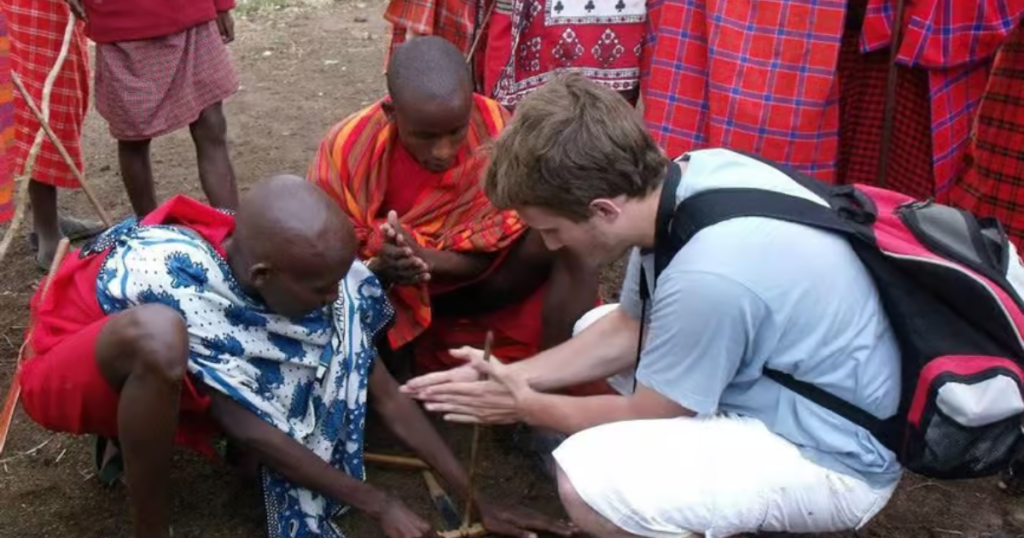
The Maasai tribes have lived in harmony with wildlife for centuries. Visiting a traditional Maasai village provides cultural insights into their way of life, customs, dance, and craftsmanship.
You can watch spear-throwing demonstrations, traditional singing, and learn about the sustainable coexistence between people and wildlife.
4.5 Night Game Drives
In certain conservancies, you can experience night drives, offering a rare chance to see nocturnal animals like civets, genets, owls, and even hunting predators under the stars.
5. The Maasai Conservancies: A Sustainable Safari Experience
While the main reserve is open to all, the private conservancies surrounding the Maasai Mara offer a more exclusive, eco-friendly experience. These include Mara North, Olare Motorogi, Naboisho, Ol Kinyei, and others.
Conservancies are managed in partnership with local Maasai communities, ensuring both wildlife conservation and community benefit. Visitor numbers are limited, so safaris feel more intimate, and guides can go off-road for closer encounters.
Benefits of Staying in a Conservancy:
- Fewer vehicles and tourists.
- Access to walking safaris and night drives.
- Direct support for local Maasai landowners.
- Exclusive, high-quality lodges and camps.
6. Best Time to Visit the Maasai Mara
The Maasai Mara is a year-round safari destination, but the experience varies by season:
| Season | Months | Highlights |
|---|---|---|
| Dry Season | June – October | Best wildlife viewing, Great Migration, minimal rain. |
| Short Rains | November – December | Green landscapes, fewer crowds. |
| Long Rains | March – May | Lush scenery, birdwatching, discounted rates. |
| Calving Season | January – February | Witness wildebeest births and predator action. |
For the Great Migration, the peak time is July through October, but wildlife is plentiful year-round.
7. Where to Stay in the Maasai Mara
The Mara offers accommodation for every style—from luxury lodges to budget-friendly camps.
Luxury Lodges & Camps
- Angama Mara: Perched high above the plains with cinematic views (inspired by Out of Africa).
- Mara Bushtops: Offers private jacuzzis and top-tier comfort.
- Mahali Mzuri: Richard Branson’s exclusive safari camp in the Olare Motorogi Conservancy.
Mid-Range Camps
- Mara Explorer Camp and Ashnil Mara Camp provide a perfect blend of comfort and adventure.
- Sarova Mara Game Camp: Great for families and first-timers.
Budget & Adventure Options
- Enkorok Mara Camp and Mara Springs Safari Camp offer affordable tented stays near the reserve.
Wherever you stay, ensure the camp follows eco-friendly and community-conscious practices.
8. Getting to the Maasai Mara
By Air
The fastest way is via domestic flights from Nairobi’s Wilson Airport to several airstrips (Keekorok, Ol Kiombo, Musiara). Flight time: approximately 45–60 minutes. (Flight bookings)
By Road
Driving from Nairobi to the Maasai Mara takes about 5–6 hours (approximately 250 km). The journey offers scenic views of the Rift Valley but can be bumpy, so a 4x4 vehicle is recommended.
Many visitors combine the Mara with other parks such as Amboseli, Lake Nakuru, or Tsavo for a comprehensive Kenya safari circuit.
9. Conservation Efforts & Responsible Tourism
The Maasai Mara faces challenges such as over-tourism, poaching, and human-wildlife conflict. However, ongoing conservation initiatives are making a difference.
Key Conservation Programs:
- Mara Elephant Project and Mara Predator Conservation Programme monitor and protect key species.
- Maasai Mara Wildlife Conservancies Association (MMWCA) supports community-led land stewardship.
- Eco-lodges employ local Maasai, contributing to education and healthcare projects.
How You Can Help:
- Choose lodges in conservancies that support local communities.
- Follow park rules and keep respectful distances from animals.
- Avoid single-use plastics and minimize waste.
- Hire local guides and purchase handmade crafts directly from artisans.
10. Sample 5-Day Maasai Mara Safari Itinerary
| Day | Activity |
|---|---|
| Day 1 | Arrive in Nairobi, fly or drive to Maasai Mara. Afternoon game drive. |
| Day 2 | Early morning and afternoon game drives. Sunset bush dinner. |
| Day 3 | Optional hot air balloon safari. Visit a Maasai village. |
| Day 4 | Full-day game drive to Mara River area for migration viewing. |
| Day 5 | Morning drive, breakfast, and return to Nairobi or onward travel. |
This itinerary can be extended by combining other destinations like Amboseli, Lake Naivasha, or Diani Beach for a diverse Kenya adventure.
11. Photography & Safari Tips in Maasai Mara
- Golden Hours: Sunrise and sunset offer the best lighting and animal activity.
- Lenses: 70–300mm for wildlife; wide-angle for landscapes.
- Clothing: Neutral tones (khaki, beige, olive), hats, and sunscreen.
- Respect Wildlife: Never approach or feed animals.
- Binoculars: A must-have for birding and distant sightings.
- Power Banks: Useful for charging cameras during long drives.
12. Why the Maasai Mara Is the Ultimate Safari Destination
The Maasai Mara embodies everything that makes Africa magical — raw nature, majestic wildlife, vibrant cultures, and cinematic landscapes. Whether you’re a first-time safari-goer or a seasoned traveler, the Mara delivers unforgettable experiences that touch the soul.
Here, the rhythm of life feels primal yet peaceful. Lions roam freely, wildebeest thunder across plains, Maasai warriors stand tall in crimson shukas, and sunsets bathe the horizon in gold. It’s a place where the spirit of Africa still beats strong.
From the drama of the Great Migration to the gentle hum of a star-filled night, the Maasai Mara truly is safari at its best. Also read: Serengeti National Park: Witness the Great Migration
Plan the perfect Kenya holiday from Nairobi to Diani Beach with top attractions, beach resorts, safari tours, and family-friendly adventures - Kenya - Nairobi - Diani Beach