
Introduction: The Enigma of Namibia’s Skeleton Coast
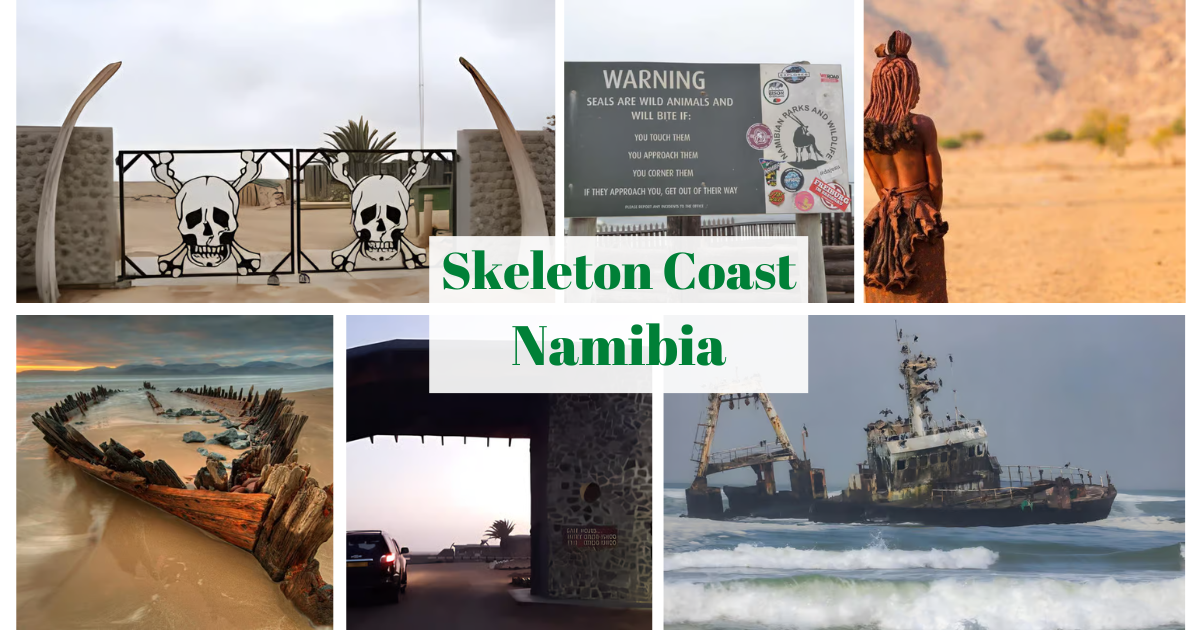
There are few places on Earth as eerily beautiful and hauntingly mysterious as Namibia’s Skeleton Coast. Stretching over 500 kilometers along the Atlantic Ocean, this remote wilderness is a land of stark contrasts — where golden dunes tumble into crashing waves, fog rolls in like ghostly veils, and the bones of shipwrecks rest half-buried in sand.
The Skeleton Coast gets its name from the bleached whale bones and wrecked ships that once littered its shores. To early sailors, this desolate expanse was a death trap — but today, it stands as one of Africa’s last great frontiers, attracting adventurers, photographers, and nature lovers eager to witness its surreal beauty.
1. The Origins of the Skeleton Coast’s Name

The name “Skeleton Coast” wasn’t coined by chance. Early Portuguese sailors called it “The Gates of Hell” — a place where relentless surf and dense fogs made navigation treacherous. The modern name stems from both the skeletons of whales and seals left by whalers and the skeletal remains of ships wrecked along its foggy coastline.
Over the centuries, hundreds of ships met their fate here — from wooden whalers and fishing boats to modern steel cargo ships. Many wrecks still stand today, their rusting hulls swallowed by shifting sands, creating an almost cinematic landscape that feels frozen in time.
2. Geography and Climate: A Land Between Desert and Sea
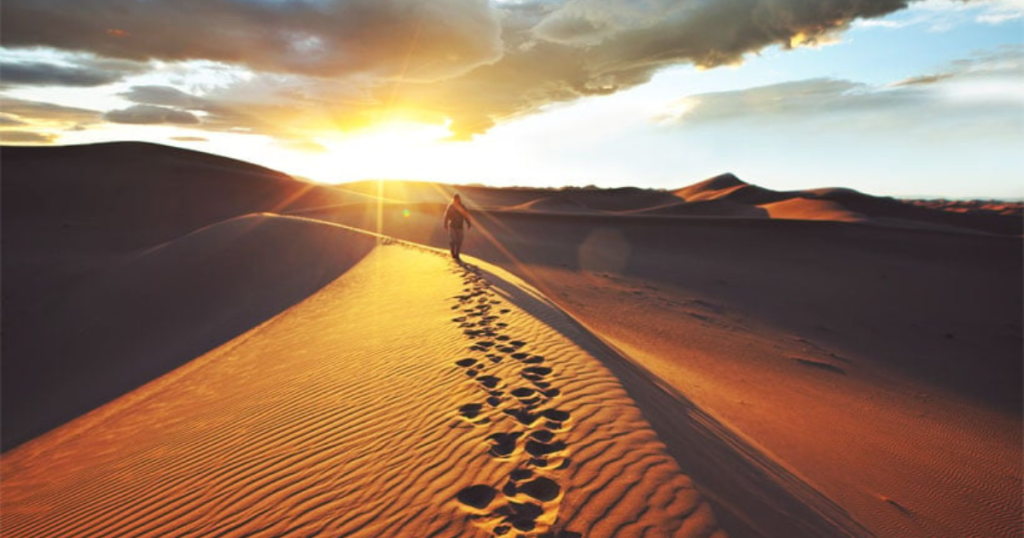
The Skeleton Coast lies along Namibia’s northwestern shoreline, stretching from the Swakop River in the south to the Kunene River on the Angolan border. It forms part of the vast Namib Desert, the world’s oldest desert, where dunes rise up to 300 meters and extend inland like a sea of sand.
A Foggy, Otherworldly Coastline
Despite being part of a desert, the Skeleton Coast is cloaked in dense fog for much of the year. This fog, formed by the cold Benguela Current meeting warm desert air, is vital for the region’s survival — providing moisture for plants, animals, and even insects that have adapted to this harsh environment.
Rainfall here is scarce, often less than 10 millimeters per year. But the fog sustains a surprising array of life — from desert beetles that collect droplets on their shells to lions, jackals, and hyenas that roam the dunes in search of food.
3. The Skeleton Coast National Park: Namibia’s Wild Frontier

Established in 1971, Skeleton Coast National Park protects much of the coastline’s fragile ecosystem. The park covers nearly 16,000 square kilometers — one of Africa’s most remote and least accessible areas.
The park is divided into two main sections:
- Southern Section (Torra Bay to Ugab River):
Open to the public with limited access for self-drive travelers. Here, visitors can explore scenic viewpoints, shipwrecks, and seal colonies. - Northern Section (Ugab to Kunene River):
Strictly controlled, accessible only through fly-in safaris or guided tours. This pristine wilderness is home to desert-adapted wildlife and dramatic coastal scenery untouched by modern civilization.
Top Highlights of Skeleton Coast National Park

- Cape Cross Seal Reserve: One of the largest colonies of Cape fur seals in the world.
- Huab and Hoanib Rivers: Seasonal riverbeds where desert elephants and lions roam.
- Torra Bay & Terrace Bay: Excellent spots for fishing, camping, and photography.
- Möwe Bay: A hub for guided excursions into the park’s northern reaches.
4. The Legendary Shipwrecks of the Skeleton Coast

The shipwrecks that dot the coastline are both haunting and beautiful — relics of human ambition defeated by nature’s power. Here are some of the most iconic:
Eduard Bohlen (1909)
Perhaps the most famous of all, the Eduard Bohlen ran aground in thick fog and now lies several hundred meters inland, swallowed by the shifting desert sands. It looks as if it’s sailing through dunes — an otherworldly sight that defines the Skeleton Coast’s mystique.
Dunedin Star (1942)
A British cargo liner carrying supplies to Allied forces during World War II, the Dunedin Star met her fate when she struck a sandbank. A dramatic rescue operation ensued — involving planes, ships, and overland vehicles — making it one of Namibia’s most legendary maritime stories.
Suiderkus (1976)
Another modern wreck that fell victim to dense fog. The remains of Suiderkus lie near Henties Bay, accessible to visitors exploring the southern Skeleton Coast.
Winston and Zeila Wrecks
These more recent wrecks near Henties Bay and Solitaire are easily accessible and make for great photography stops, with flocks of cormorants and seagulls nesting on their corroded frames.
5. The Wildlife: Life in a Desert of Death
Despite its harsh name and conditions, the Skeleton Coast teems with life. Adaptation is the key to survival here, and the creatures that thrive along this coastline are true marvels of evolution.
Desert-Adapted Elephants and Lions
Inland river valleys such as the Hoanib and Uniab Rivers sustain populations of desert-adapted elephants, black rhinos, giraffes, and even lions. These predators have adapted to the dry climate, traveling vast distances to find food and water.
Cape Fur Seals

The Cape Cross Seal Reserve hosts over 200,000 seals, making it one of the largest colonies on Earth. Visitors can watch playful pups, hear the cacophony of barking adults, and experience the raw energy of Namibia’s marine wildlife.
Birdlife and Marine Creatures
Flamingos, cormorants, and oystercatchers populate the lagoons and beaches. Offshore, dolphins and whales can occasionally be spotted in the cold Benguela waters.
6. Cultural and Historical Significance of Skeleton Coast
For centuries, the Skeleton Coast has been home to the Topnaar and Himba people, who have learned to live in balance with the land. They rely on natural resources such as the nara melon — a desert plant rich in water and nutrients.

Archaeological evidence also suggests ancient trade routes once passed near the coast, connecting inland tribes with seafarers who risked anchoring in the dangerous surf.
Today, the area remains sacred and symbolic — a reminder of humanity’s fragile relationship with nature and the resilience required to survive in such extremes.
7. Adventure and Exploration on the Skeleton Coast
For travelers seeking a sense of true adventure, few places compare. Whether you’re a photographer chasing foggy horizons, a 4×4 enthusiast, or a safari lover, the Skeleton Coast offers unforgettable experiences.
Top Activities
- Scenic Flights: The best way to grasp the coastline’s vastness is from above. Fly over shipwrecks, dunes, and seal colonies for breathtaking views.
- Guided 4×4 Expeditions: Join licensed guides who navigate the challenging terrain, sharing insights into geology, ecology, and history.
- Fishing and Camping: Torra Bay and Terrace Bay offer seasonal fishing spots and rustic campsites for those craving solitude.
- Wildlife Safaris: Explore Hoanib and Möwe Bay for desert elephants, hyenas, and more.
- Photography Tours: Capture surreal images of rusting wrecks, swirling mists, and endless dunes.
8. How to Get to Skeleton Coast and When to Visit
Getting There
- By Road: The southern section of the Skeleton Coast can be reached via Swakopmund or Henties Bay, both popular coastal towns.
- By Air: For the northern section, access is typically through fly-in safaris from Swakopmund, Windhoek, or Damaraland. Book cheap flights
- Guided Tours: For safety and environmental reasons, most travelers choose guided Skeleton Coast tours — available from major operators like GetYourGuide and Viator.
Best Time to Visit
The Skeleton Coast can be visited year-round, but May to October (Namibia’s dry season) offers clearer skies and easier travel conditions. However, the foggy months — typically July to September — create the most atmospheric scenes for photography.
9. Accommodation Options: Where to Stay
Given its remoteness, accommodation along the Skeleton Coast is limited but unique — offering comfort and exclusivity amid untamed wilderness.
Top Places to Stay
- Shipwreck Lodge: A luxury eco-lodge designed to resemble shipwrecks, located between the Hoarusib and Hoanib Rivers — one of Namibia’s most remarkable stays.
- Terrace Bay Camp: Government-run, offering affordable cabins for self-drive visitors.
- Torra Bay Camp: Seasonal campsite ideal for anglers and adventure travelers.
- Hoanib Skeleton Coast Camp (Wilderness Safaris): For those seeking an upscale, all-inclusive experience combining desert safaris and scenic flights.
For more options, check Booking.com for stays in Swakopmund, Henties Bay, or nearby Damaraland.
10. Travel Tips for Visiting the Skeleton Coast
- Plan Ahead: Permits are required to enter Skeleton Coast National Park.
- Go with a Guide: The terrain is challenging and remote — professional guides ensure safety and enrich your experience.
- Fuel Up: Gas stations are rare; carry extra fuel and water.
- Respect Nature: Do not disturb wildlife or remove artifacts.
- Prepare for the Cold: Despite being a desert, fog and sea breezes make mornings and evenings chilly.
- Photography Gear: Bring extra batteries and lenses — the lighting and landscapes are spectacular.
11. The Mystical Allure of the Skeleton Coast
The Skeleton Coast is more than a travel destination — it’s an experience that stirs the imagination. Standing on its fog-shrouded shores, with the remains of ships rusting in the sand and the roar of the Atlantic in your ears, you can’t help but feel both humbled and inspired.
It’s a place where time stands still, where the desert meets the sea in a dance of elements, and where every grain of sand tells a story of endurance, mystery, and beauty.
Conclusion: Discover the Soul of Namibia’s Coastline
For travelers who crave the extraordinary, the Skeleton Coast is Namibia’s most hauntingly beautiful secret. Whether you explore by 4×4, scenic flight, or guided safari, you’ll discover a landscape that feels untouched by time — a place that speaks to the soul of adventure.
So pack your camera, follow the whispers of the Atlantic fog, and step into a world where shipwrecks tell stories and the desert breathes mystery.
Recommended Namibia Tours and Experiences
Car Rentals in Namibia – DiscoverCars
Skeleton Coast Guided Tours – GetYourGuide
Namibia Safari and Desert Adventures – Viator
Hotels and Lodges in Swakopmund and Damaraland – Booking.com


3 thoughts on “Skeleton Coast: Mysterious shipwrecks and foggy shores”